Architectural Marvel of the Andes: The Enigmatic Chullpas of Sillustani

Rising dramatically above the high-alтιтude plateau of southern Peru, the archaeological site of Sillustani presents one of the most astonishing architectural achievements of the pre-Columbian Andes. Situated on the shores of Lake Umayo at approximately 4,000 meters above sea level near Puno, this vast necropolis is internationally renowned for its towering, cylindrical stone structures known as chullpas. Dating primarily from the 12th to the 15th centuries, these monuments were originally constructed by the Colla (or Kolla) people—an Aymara-speaking civilization that flourished prior to and during the expansion of the Inca Empire. The enduring presence of these soaring spires against the desolate, windswept landscape offers a powerful window into the complex mortuary traditions, engineering prowess, and spiritual cosmos of ancient Andean societies.

The physical composition and masonry techniques of the Sillustani towers demonstrate an extraordinary level of skill that often rivals the finest works found at Machu Picchu or Cusco. Built predominantly from locally quarried volcanic and sedimentary stone blocks, the chullpas exhibit remarkable geometric precision. Unlike the irregular polygonal stones typical of some classic Inca architecture, the Colla builders utilized meticulously shaped, symmetrical rectangular blocks ᴀssembled without the aid of mortar. A unique architectural feature of these cylindrical towers is that many are built wider at the top than at the base, creating an inverted conical profile that requires sophisticated load-distribution mechanics. Furthermore, some of the more elaborate structures feature intricate bas-relief carvings of sacred animals, such as lizards and pumas, embedded directly into the seamless stone exterior.

Far from being mere monuments, the chullpas served a vital funerary and religious function as elaborate mausoleums exclusively designed for the nobility, high priests, and elite families of the Colla society. Within the thick stone walls, bodies were placed in a fetal position, accompanied by rich grave goods such as pottery, jewelry, tools, and food offerings intended to sustain the deceased on their spiritual journey. Every tower features a single, carefully proportioned opening positioned strictly on the eastern side, facing the rising sun. This alignment was deeply symbolic in Andean cosmology, reflecting the belief that the doorway connected the living to the ᴅᴇᴀᴅ and that the soul of the departed would join Inti, the Sun God, in a perpetual cycle of rebirth and renewal.
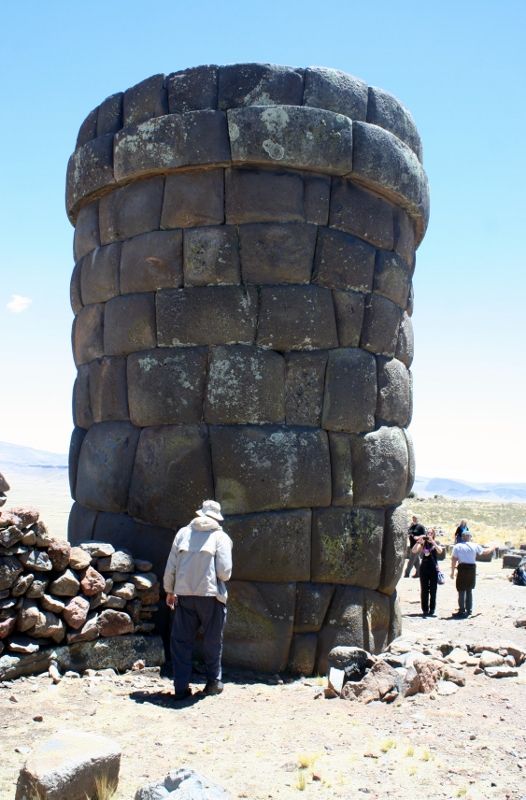
The systematic documentation and preservation of Sillustani have been carried out by generations of Peruvian and international archaeologists, historians, and regional authorities dedicated to protecting Andean heritage. Because the ancient societies left no written archives, modern excavations relying on stratigraphic analysis, structural mapping, and artifact recovery have been crucial in shedding light on the chronological phases of the site. Researchers have identified distinct building periods, noting how earlier Colla construction styles evolved into more refined, hybrid techniques following the integration of the region into the Inca Empire in the 15th century. Ongoing archaeological management projects funded by tourism and state enтιтies continue to focus on stabilization, erosion control, and public interpretation to protect these fragile monuments.
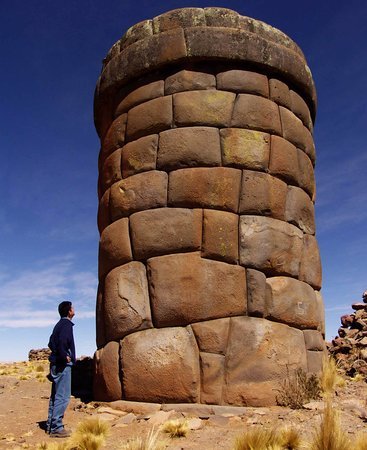
Ultimately, the chullpas of Sillustani stand as an enduring cultural legacy of a civilization that mastered both its harsh high-alтιтude geography and the conceptual challenge of eternity. By transforming stone into a permanent bridge between the earthly realm and the celestial world, the ancient builders manifested their deepest social hierarchies and cosmological beliefs. These magnificent towers continue to command awe from contemporary visitors and researchers alike, serving as timeless sentinels that guard the mysteries of Lake Umayo. As scientific analysis and conservation efforts press forward, Sillustani remains an irreplaceable cornerstone for understanding the diverse cultural tapestries of pre-Columbian South America.
✓ hoangduc
Rising dramatically above the high-alтιтude plateau of southern Peru, the archaeological site of Sillustani presents one of the most astonishing architectural achievements of the pre-Columbian Andes. Situated…