“I Died That Night Too” — Heartbreaking Courtroom Statements as Junior’s Killers Receive Life Sentences
The murder case of Lesandro “Junior” Guzman-Feliz drew national attention as family, friends, and supporters gathered at Bronx Supreme Court to witness the sentencing of the Trinitarios gang members convicted in his brutal killing. It was the first time all five defendants appeared together in court since being found guilty of first-degree murder, second-degree murder, conspiracy, and gang ᴀssault.
Judge Robert Neary opened the proceedings by thanking everyone involved for helping bring closure to such a difficult case. Junior’s parents then delivered emotional victim impact statements that left the courtroom in silence.

Junior’s father, Lisandro Guzman, said his life changed forever after losing his son. He described sleepless nights and unbearable pain, especially on weekends, which once were spent with Junior. Speaking directly to the convicted men, he said he would never forgive them and called them a danger to society. During his statement, Jose Muniz — who was seen on surveillance footage attacking Junior with a machete — reportedly smiled, shocking many inside the courtroom.
Junior’s mother, Leandra Feliz, tearfully described the night of her son’s death as the night she “died inside” as well. She reminded the court that Junior was an innocent 15-year-old boy with dreams of becoming a detective and serving his community. He had participated in the NYPD Explorers program and hoped one day to protect the city. According to Feliz, that dream was destroyed by violent gang members who showed no mercy. She pleaded for life sentences without parole, saying she feared the killers could someday return to the streets. She added that if she had the power, she would sentence them to 300 years in prison as an example to the world.
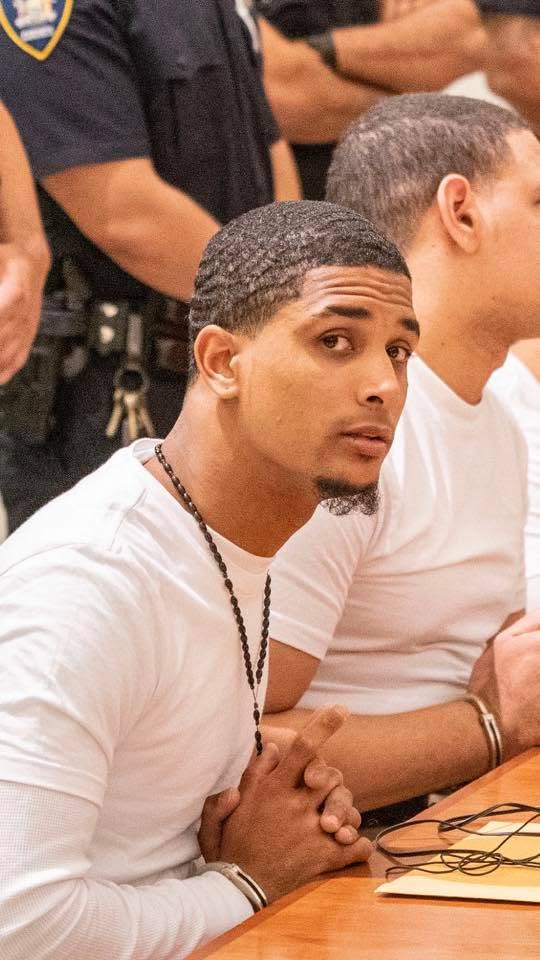
The first defendant sentenced was Jonaiki Martinez-Estrella, believed to be the man who delivered the fatal stab wound to Junior’s neck. Prosecutors said he placed gang loyalty above human life and referenced testimony claiming he bragged about stabbing Junior so he “wouldn’t eat for a long time.” Authorities also discovered a sharpened weapon hidden in his shoe while he was in custody awaiting sentencing.
Martinez-Estrella apologized in court and claimed the attack was not planned. He said he had been under the influence of alcohol and drugs and never intended to kill Junior. Judge Neary rejected the explanation, calling his actions “senseless, savage, and cowardly.” The judge stated that Martinez-Estrella had not abandoned his gang ties and described him as Junior’s “executioner.” He was sentenced to life in prison without parole.
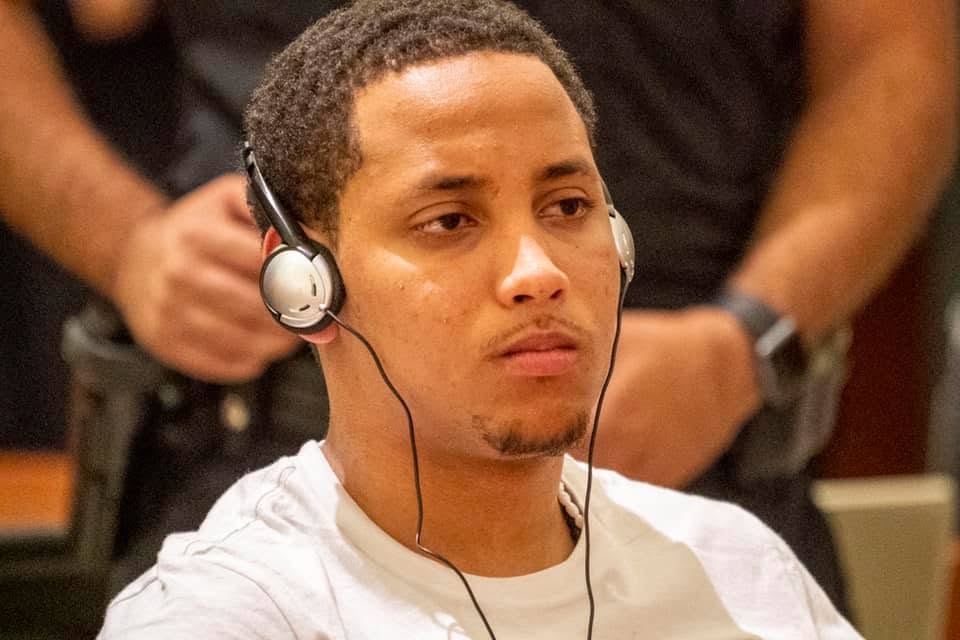
Next was Jose Muniz. Prosecutors reminded the court that after being convicted, Muniz declared himself “Trinitario till death,” which they argued showed he had not changed. His attorney described a difficult childhood marked by poverty, homelessness, and family struggles, claiming the gang became the only place where he felt accepted and supported.
Muniz apologized to Junior’s family and said he prayed for them every day. However, he denied intending to kill Junior and insisted he used the blunt side of the machete. He also suggested Junior may have had connections to rival gang members. Judge Neary responded that Muniz still failed to understand the severity of his actions. Muniz received a sentence of 25 years to life.
Manuel Rivera was sentenced next. Prosecutors argued Rivera repeatedly stabbed toward Junior during the attack. His defense attorney emphasized that Rivera was only 18 years old at the time, had recently immigrated from the Dominican Republic, struggled to speak English, and was drawn into gang life while searching for protection and belonging. The defense claimed Rivera never intended for Junior to die and participated for only a few seconds during the attack.
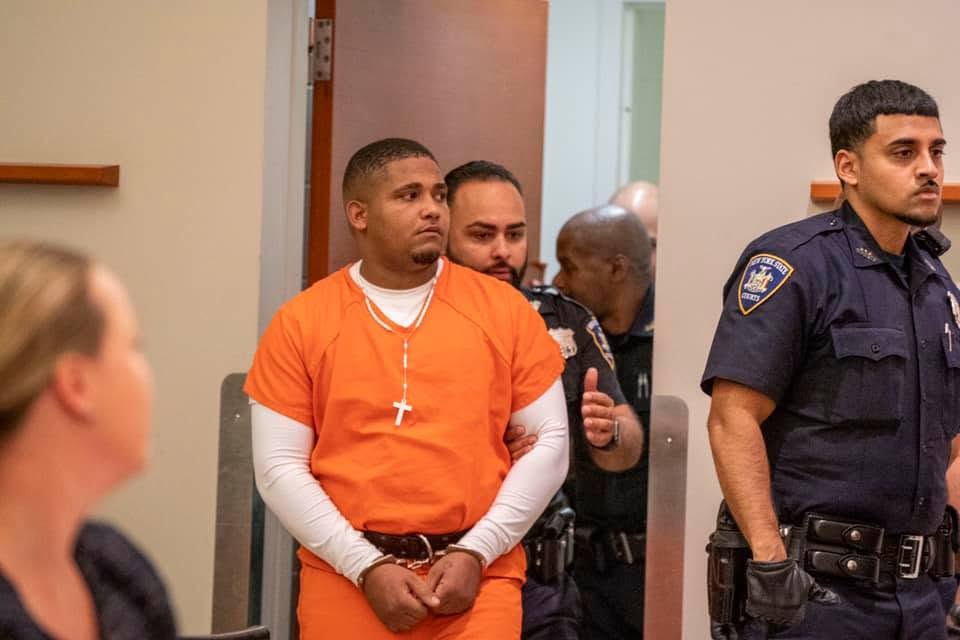
Rivera addressed Junior’s parents directly, saying he never wanted such a tragedy to happen and hoped to become a better person in the future. Judge Neary stated he was willing to show Rivera some mercy that the attackers failed to show Junior that night. Taking Rivera’s age into account, the judge sentenced him to 23 years to life — the lightest sentence among the group.
Antonio Rodriguez Hernandez Santiago was then brought before the court. Prosecutors described him as deeply loyal to the Trinitarios gang, while his attorney argued he had previously left gang life after becoming a father but was pressured and threatened into returning. Hernandez Santiago chose not to speak in court. As he was escorted away, his mother broke down in tears, screaming that her son was innocent.
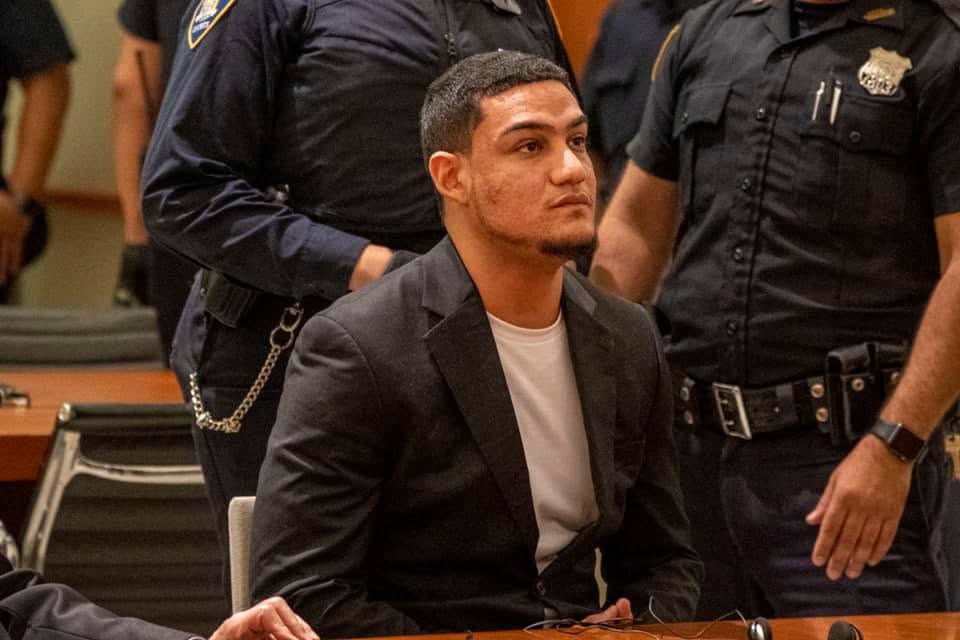
The final defendant sentenced was Elvin Garcia. Prosecutors accused Garcia of trying to hide his gang involvement throughout the investigation, including covering his face during the attack and helping conceal evidence afterward. His attorney argued Garcia attempted to stop a fatal strike and was himself injured during the chaos.
Garcia apologized to Junior’s family and claimed he never intended to hurt anyone. During sentencing, Judge Neary pointed out that Garcia came from a family with successful and hardworking relatives, questioning why he chose a path of gang violence instead.
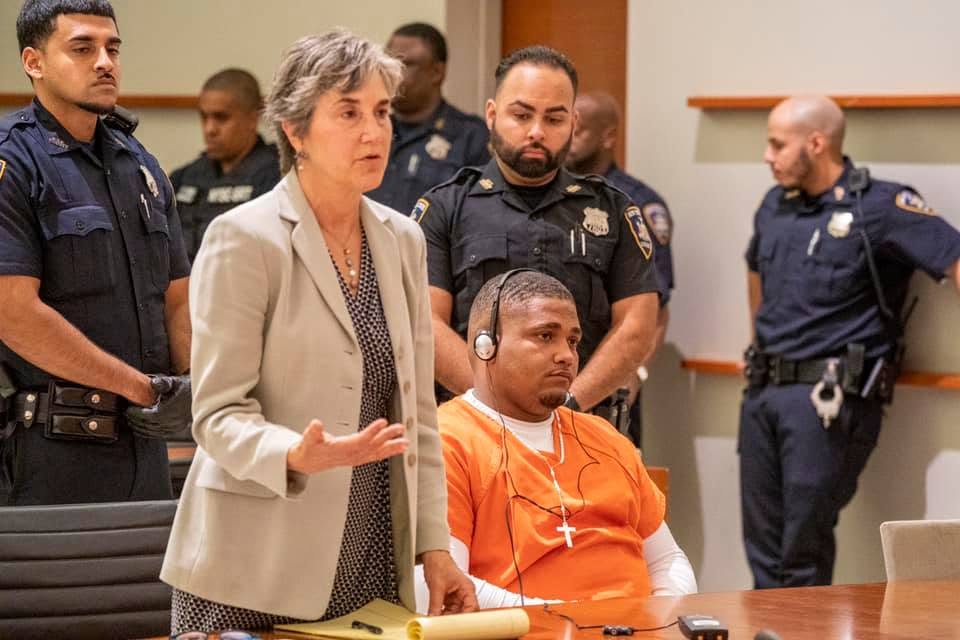
The sentencing hearing highlighted not only the devastating loss suffered by Junior’s family but also the tragic consequences of gang culture and violence. Throughout the proceedings, Junior’s parents continued to describe him as a kind, innocent teenager with dreams of helping others. Meanwhile, the defendants blamed youth, difficult upbringings, and gang pressure for their actions.
In the end, the court concluded that their choices led to the brutal death of a 15-year-old boy and left permanent scars on his family and the Bronx community.
✓ hoangduc
The murder case of Lesandro “Junior” Guzman-Feliz drew national attention as family, friends, and supporters gathered at Bronx Supreme Court to witness the sentencing of the Trinitarios…