The courtroom proceedings may be over, but a newly released trove of court records has ignited an entirely new battle surrounding one of Texas’ most closely watched criminal cases.
Earlier this month, Judge John Roach Jr. authorized the release of more than six gigabytes of previously sealed court materials connected to the trial of Karmelo Anthony, the 19-year-old convicted in the fatal stabbing of 17-year-old student-athlete Austin Metcalf during a rainy track meet confrontation in April 2025.
While much of the public attention had focused on testimony, evidence, and the emotional verdict, the newly available documents have shifted scrutiny toward something else entirely: the process used to select the jury that ultimately convicted Anthony and sentenced him to 35 years in prison.
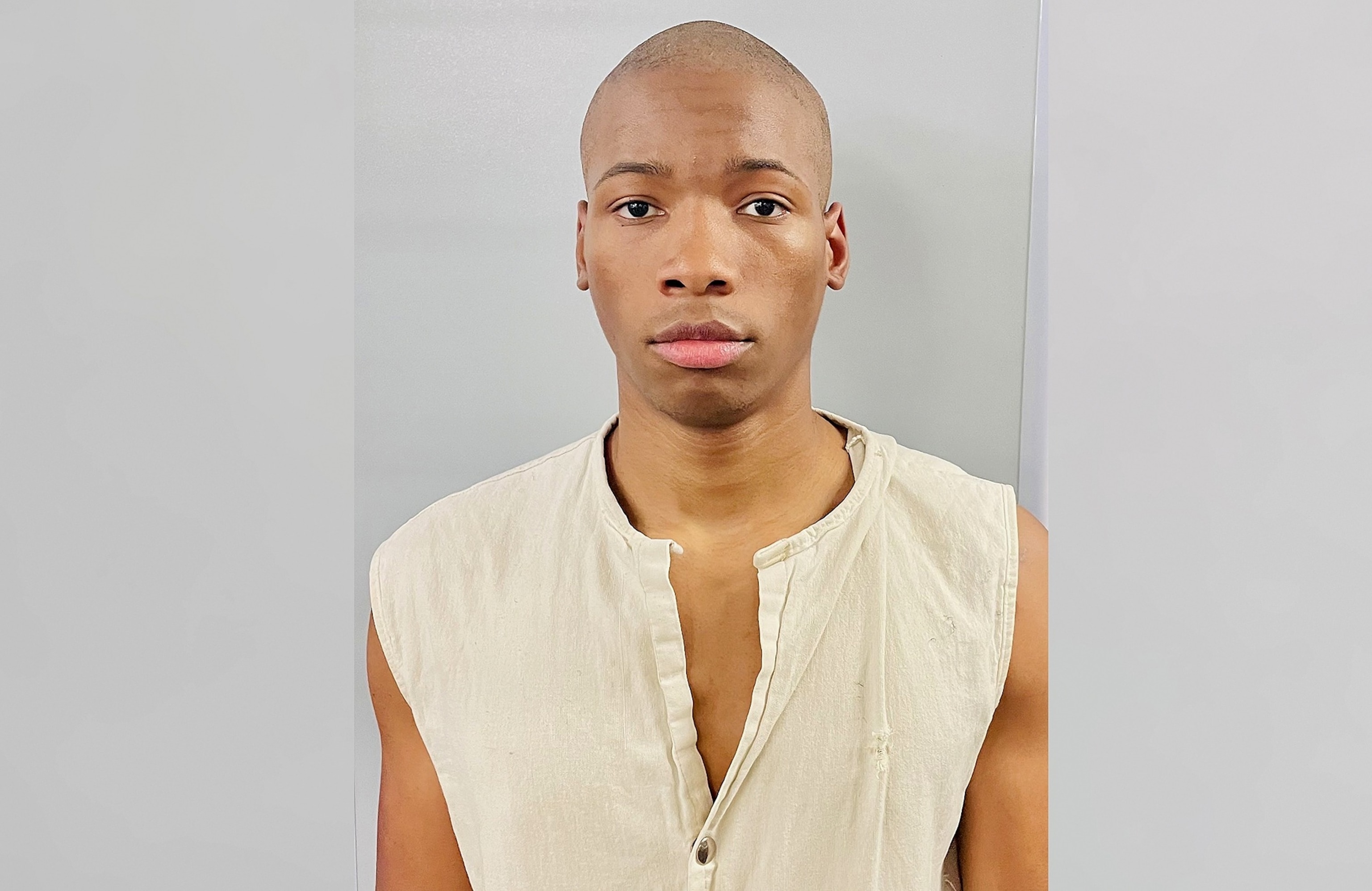
At the center of the growing controversy is a fact that has fueled intense debate online. The final jury consisted entirely of white jurors despite the original pool reportedly including multiple African American and Hispanic candidates.
Civil rights advocates, legal commentators, and thousands of social media users are now examining the unsealed voir dire transcripts—the detailed records of jury selection—in search of answers.
Questions About Who Was Allowed to Serve
According to documents being widely circulated online, the initial jury pool included dozens of residents from across Collin County, including at least eleven minority candidates. By the time the final twelve jurors and two alternates were selected, however, no people of color remained on the panel.
That outcome has prompted accusations from some critics that the prosecution strategically removed minority candidates during the selection process.
Others argue that the final composition of the jury, while notable, does not by itself prove misconduct and may simply reflect legal decisions commonly made during high-profile criminal trials.
Still, the release of the transcripts has intensified public interest, with legal forums, social media platforms, and advocacy groups dissecting nearly every exchange that occurred behind closed courtroom discussions.
The Juror #42 Debate
Much of the attention has focused on one prospective juror identified in court records as Juror #42.
According to the transcripts, the individual was a 45-year-old Black middle school teacher who had no criminal history and had provided relatively neutral answers during preliminary screening.
When prosecutors exercised a peremptory strike to remove the juror, Anthony’s defense attorney at the time, Michael Howard, immediately objected.
Howard raised a Batson challenge, a legal mechanism established by the U.S. Supreme Court that prohibits prosecutors from excluding jurors solely because of race.
The transcripts show prosecutors arguing that their decision was not based on race but on observations made during questioning.
According to the court records, prosecutors stated that Juror #42 displayed closed body language and appeared reluctant to maintain eye contact during discussions involving law enforcement investigative procedures.
Judge Roach ultimately accepted the explanation as race-neutral and allowed the strike to stand.
That decision has become one of the most debated moments in the case.
Supporters of Anthony argue that body-language explanations have historically generated controversy because they can be subjective and difficult to verify.
Others contend that attorneys routinely evaluate demeanor, atтιтude, and nonverbal behavior when deciding whether potential jurors may favor one side or the other.
A Growing Online Firestorm
The newly released transcripts quickly spread across social media, where users began posting excerpts and offering competing interpretations.
Some legal commentators described the records as raising serious questions about fairness and representation.
Others argued that critics are reading too much into standard courtroom procedures that occur in criminal trials across the country every day.
The debate has become particularly intense because of the broader racial dynamics surrounding the case.
Anthony, who is Black, was convicted in the death of Metcalf, who was white. From the beginning, discussions surrounding the case frequently extended beyond the facts of the incident itself and into wider conversations about race, criminal justice, and public perception.
The Prosecution’s Position
Supporters of the verdict maintain that the focus on jury selection risks overshadowing the evidence presented during trial.
Former prosecutors and legal analysts have argued that both sides routinely attempt to remove jurors they believe may be unfavorable to their case.
They note that skepticism toward law enforcement, views on self-defense laws, and opinions about juvenile accountability can all influence jury-selection decisions regardless of race.
Those defending the prosecution’s actions argue that securing a jury believed capable of evaluating evidence fairly is a standard objective in any criminal proceeding.
The Appeal Battle Ahead
The controversy arrives at a critical moment for Anthony’s legal future.
Just one day after his conviction, Anthony filed an appeal, replaced his private attorney, and requested court-appointed representation for the next phase of the case.
Legal observers say the newly released jury-selection records could become a major focus of appellate arguments.
To obtain relief, Anthony’s appellate team would need to persuade a higher court that errors occurred during jury selection and that those errors materially affected the fairness of the trial.
Such challenges are often difficult to win, but if an appellate court were to find that consтιтutional protections were violated, significant legal consequences could follow.
A Case Far From Over
Although the jury has already delivered its verdict, the public debate surrounding the case appears to be entering a new phase.
For supporters of the conviction, the outcome reflects the evidence presented in court.
For critics, the newly unsealed records raise questions they believe deserve closer examination.
As appeals move forward and legal experts continue reviewing the transcripts, the controversy surrounding jury selection may prove to be one of the most closely scrutinized aspects of the entire case.
The trial itself may have ended, but the fight over what happened inside that courtroom is far from over.