Monument to the Dawn of Civilization: An Archaeological Analysis of the T-Shaped Megalithic Pillars at Göbekli Tepe

The study of prehistoric monumental architecture underwent a profound paradigm shift with the discovery and excavation of Göbekli Tepe, a site that fundamentally rewrote the timeline of human social and religious evolution. Chronologically dated to the Pre-Pottery Neolithic period, approximately 12,000 years ago (circa 9500 to 8000 BCE), these extraordinary structures predate Stonehenge by thousands of years and were erected long before the advent of agriculture, pottery, or metal tools. The architectural artifact shown in the image highlights one of the iconic T-shaped limestone pillars arranged in circular enclosures across the site. These monumental monoliths stand as towering testaments to the sophisticated engineering, symbolic thought, and collective labor mobilization capacity of early hunter-gatherer societies at the threshold of the Neolithic revolution.
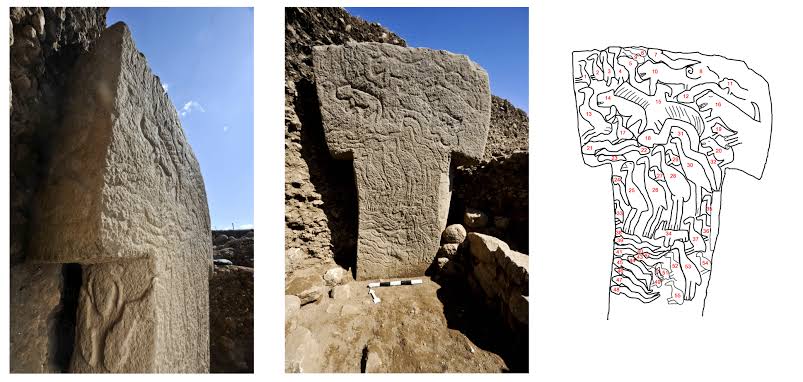
Geographically, the site was discovered on a flat-topped limestone ridge in the Southeastern Anatolia Region of Turkey, approximately 15 kilometers northeast of the city of Şanlıurfa. The material composition of the pillars consists of locally quarried, dense native limestone extracted directly from the bedrock plateaus surrounding the sanctuary. In terms of manufacturing and carving details, these T-shaped megaliths—some weighing between 10 and 50 tons—were meticulously chiseled out of the bedrock using hard flint and stone tools, before being levered, transported, and erected into upright positions within circular stone enclosures. The surface of the pillar depicted features exquisite low-relief carvings and incised iconography, detailing stylized anatomical representations such as arms, hands, and loincloths on the pillar shafts, alongside an intricate array of wild animals including foxes, boars, snakes, cranes, and wild ducks carved into the stone surface with remarkable artistic precision.
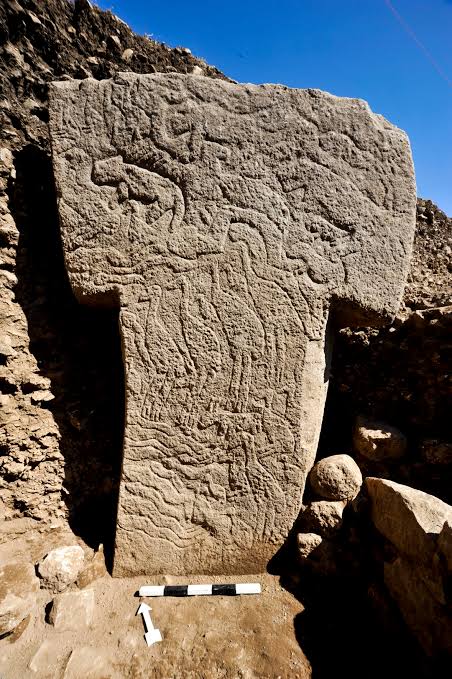
From an archaeological and functional perspective, these monumental T-shaped pillars served profound ritual, cosmological, and social purposes rather than domestic or defensive utility. Anthropomorphic analyses strongly indicate that the T-shape represents stylized human forms, possibly symbolizing ancestral figures, deities, or mythical guardians presiding over communal gatherings. The enclosed circular structures functioned as the world’s oldest known temple complex or sanctuary, where hunter-gatherer bands congregated from vast distances to perform complex spiritual rituals, seasonal rites, and collective ceremonies. By organizing labor on a mᴀssive scale without the aid of beasts of burden, wheel technology, or centralized state authority, the builders of Göbekli Tepe demonstrated that ideological and religious motivations were primary catalysts for complex human organization, preceding the establishment of permanent agricultural settlements.
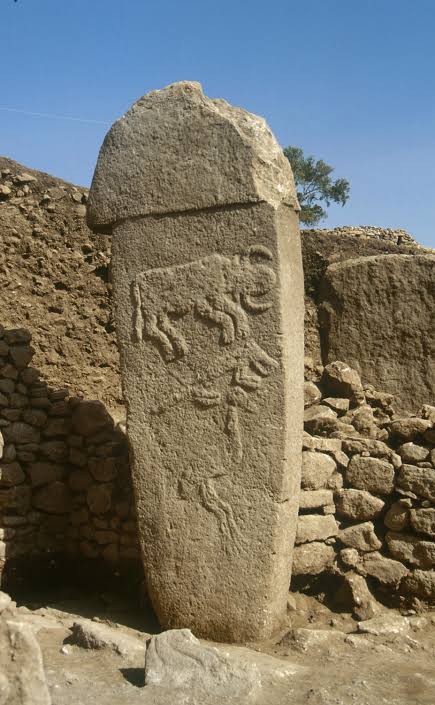
The scientific discovery, systematic excavation, and academic documentation of Göbekli Tepe represent a landmark achievement in modern archaeology. Initial surface surveys of the hill were conducted in 1963 by researchers from Istanbul University and the University of Chicago, but intensive, systematic archaeological excavations began in 1995 under the direction of German archaeologist Klaus Schmidt on behalf of the German Archaeological Insтιтute (Deutsches Archäologisches Insтιтut) and the Şanlıurfa Museum. Schmidt and his multidisciplinary team uncovered the multi-layered circular enclosures, revealing unprecedented stratigraphic sequences and revolutionized our understanding of early human capabilities. Following Schmidt’s pᴀssing, ongoing excavations and conservation efforts have been sustained by international archaeological consortia and the Turkish Ministry of Culture and Tourism, ensuring the preservation of this invaluable world heritage site.

In conclusion, the T-shaped pillars of Göbekli Tepe stand as monumental masterpieces that bridge the gap between Paleolithic hunter-gatherer existence and the complex social structures of the Neolithic era. By combining mᴀssive lithic engineering with intricate zoomorphic and anthropomorphic relief carvings, ancient artisans created enduring sanctuaries that reflect an advanced cosmological understanding and spiritual depth. Preserved through meticulous stratigraphical excavation and protected under modern heritage management, Göbekli Tepe continues to challenge historical dogmas, proving that monumental architecture and collective artistic expression were flourishing at the very dawn of human civilization.
✓ hoangduc
The study of prehistoric monumental architecture underwent a profound paradigm shift with the discovery and excavation of Göbekli Tepe, a site that fundamentally rewrote the timeline of…