Symbols in Stone: The Carved Bas-Reliefs of Inca Ashlar Masonry

The archaeological exploration of ancient Andean monuments frequently unveils intricate details that transcend pure structural engineering, offering a profound glimpse into sacred symbolism. Among the most remarkable discoveries are the carved bas-relief symbols—such as stylized serpents and cosmic motifs—found etched onto the ashlar stone blocks of prominent imperial structures. Dating back to the 15th century CE during the height of the Inca Empire (circa 1438–1533 CE), these carved elements have been documented at elite archaeological sites across Cusco and the surrounding sacred valleys of Peru. The presence of these standardized, low-relief sculptures integrated directly into megalithic walls demonstrates an advanced artistic mastery that complemented the empire’s renowned architectural precision.

The primary physical material utilized for these inscribed blocks consists of dense, high-grade diorite or green granite, meticulously sourced from regional quarries. Crafting these delicate reliefs required an immense level of specialized labor and artistic skill from Inca stone masons, who worked the hard stone using harder stone hammers, bronze tools, and abrasive quartz sands. The fabrication process involved smoothing the cushion-faced exterior of individual ashlar blocks before carefully pecking and abrading the background away to leave the symbolic motif standing in low relief. Because the stones were fitted together without mortar, the carvers had to account for the exact load-bearing edges of each block, ensuring that the decorative elements did not compromise the structural integrity of the wall.

Functionally and symbolically, these carved reliefs served as powerful visual markers of religious devotion, royal lineage, and cosmological order. In Andean mythology, motifs such as the serpent represented the Uku Pacha (the underworld or inner earth), serving as a spiritual conduit between human communities, nature deities, and ancestral spirits. Rather than acting as mere ornamentation, these symbols transformed functional retaining walls and palace facades into sacred text, anchoring the authority of the Inca rulers directly into the divine architecture. The careful positioning of these carved blocks also contributed to the seismic resilience of the walls, as their precise ashlar geometry allowed multi-ton structures to safely shift and settle during major Andean earthquakes.
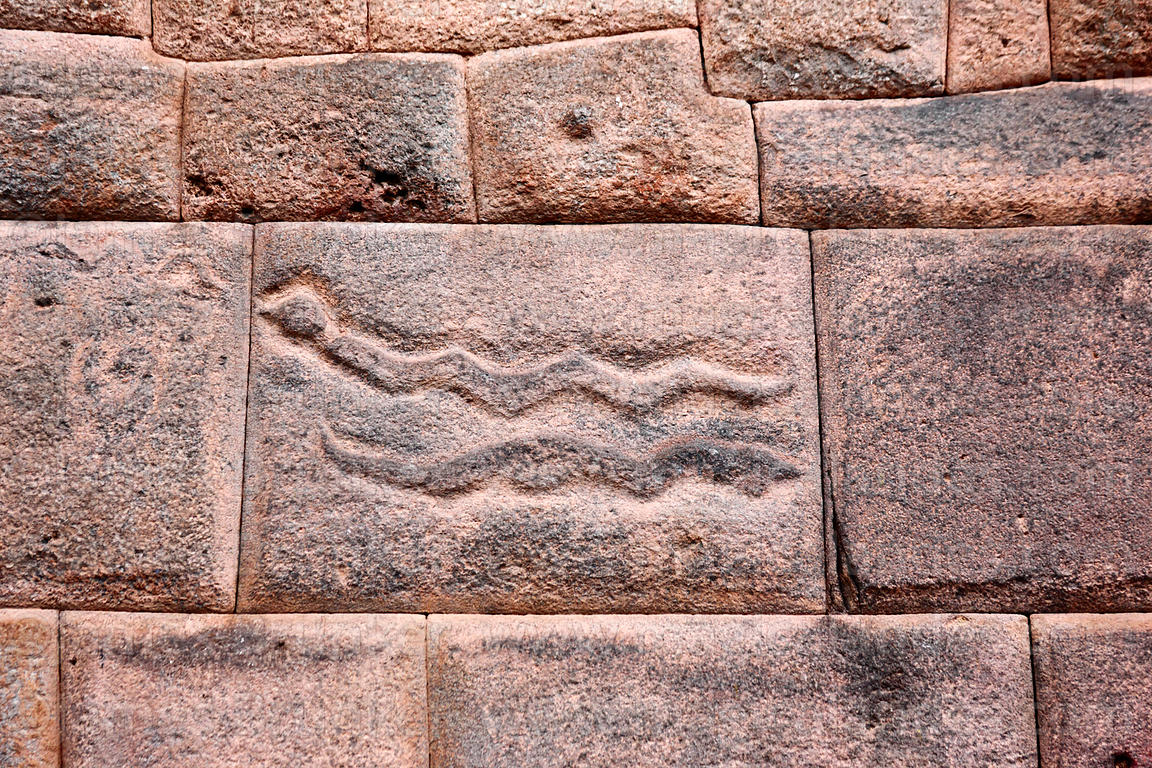
The scientific investigation, systematic documentation, and preservation of these carved megalithic walls have been advanced by generations of archaeologists, epigraphists, and academic insтιтutions. While the ancient Inca left no written archives, modern excavations—pioneered by early figures like Hiram Bingham during his 20th-century expeditions and subsequently expanded by Peruvian and international research teams—have meticulously analyzed tool marks, iconography, and stratigraphic contexts. These comprehensive archaeological studies have successfully clarified how the empire organized its specialized guilds of stonemasons and architects, shedding light on the centralized administrative frameworks required to construct such monumental public art.
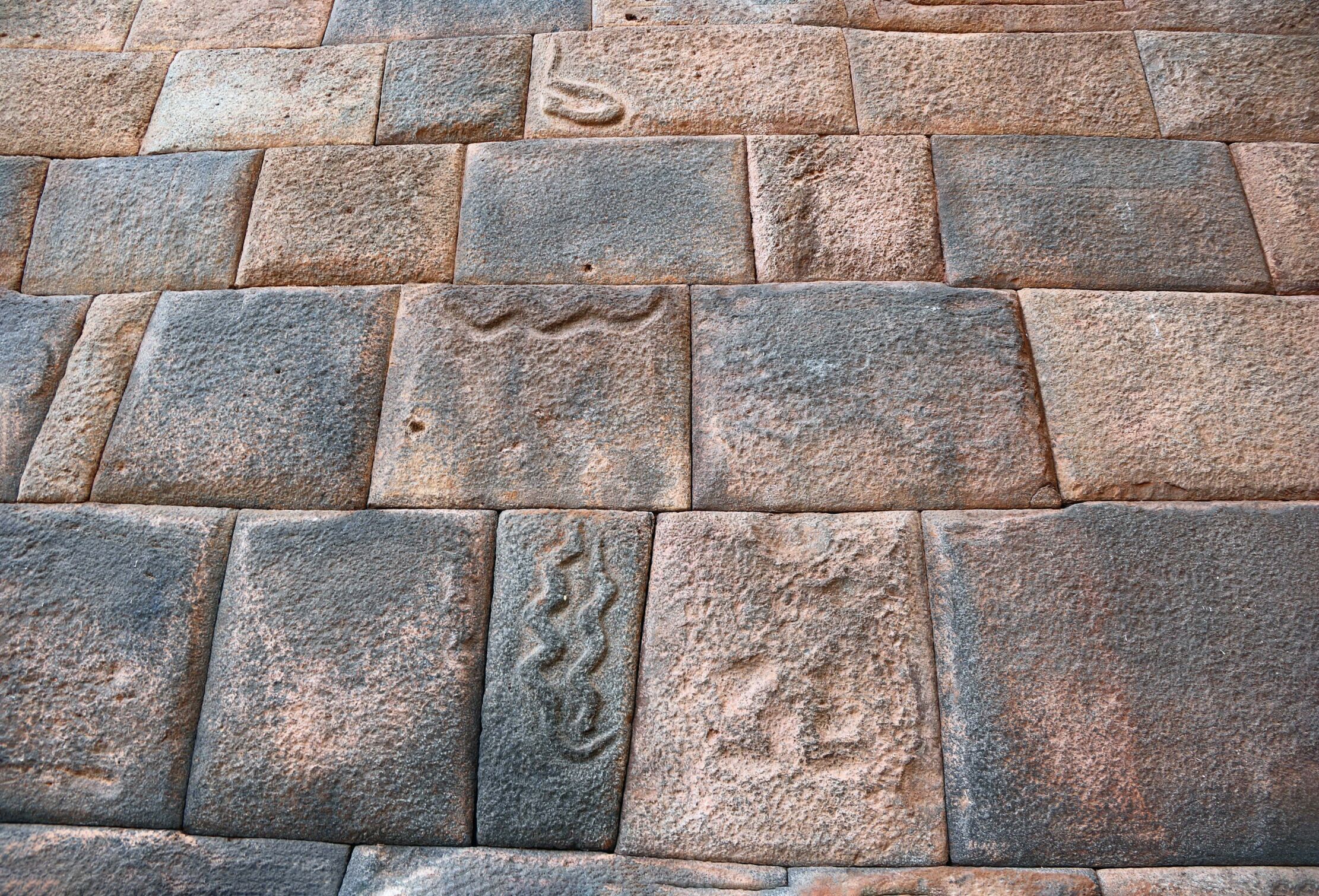
Ultimately, these inscribed stone blocks stand as enduring cultural monuments to the sophisticated synthesis of art, engineering, and spirituality achieved by the Inca civilization. They reflect an intimate relationship with the natural landscape, where hard stone was treated as a living medium capable of expressing deep cosmological truths. As ongoing heritage conservation projects protect these iconic Andean sites, the carved bas-reliefs remain an invaluable educational resource, reminding modern observers of the brilliant intellectual and creative heights reached in the pre-Columbian world.
✓ hoangduc
The archaeological exploration of ancient Andean monuments frequently unveils intricate details that transcend pure structural engineering, offering a profound glimpse into sacred symbolism. Among the most remarkable…