The Architectural Precision of Inca Dry-Stone Masonry
The remarkable masonry style displayed stands as one of the most significant archaeological achievements of the Inca Empire. Dating primarily to the 15th century, these structures are found throughout the heart of the Inca heartland, most notably in Cusco, Peru. This period, known as the Late Horizon, saw the zenith of Inca engineering, characterized by an unprecedented ability to manipulate mᴀssive lithic materials. The walls serve as a silent, enduring testament to a society that commanded complex architectural techniques without the aid of iron tools, mortar, or the wheel.
The material composition of these walls typically involves high-density volcanic rocks such as andesite or diorite, which were prized for their hardness and durability. The fabrication process was an intensive, highly skilled craft that relied on the technique of “dry-stone” masonry, wherein each block was shaped to fit its neighbors with absolute geometric precision. As seen, the stones are characterized by irregular, polygonal shapes that interlock seamlessly, eliminating the need for mortar. This meticulous fitting was achieved through repeated manual grinding and trial-and-error placement, a method that allowed the builders to create structures capable of withstanding the extreme seismic forces prevalent in the Andean region.
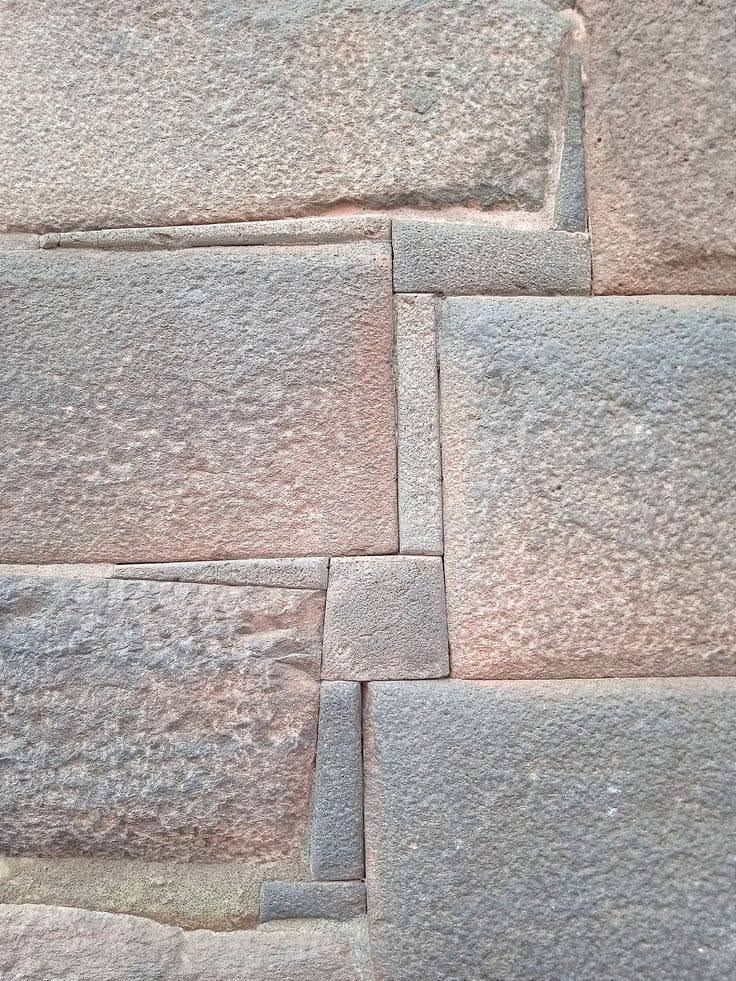
Beyond their functional strength, these stone structures carried deep symbolic and social significance within the Inca state. These walls were the foundations for temples, palaces, and administrative centers, reflecting the authority and organizational power of the Sapa Inca. The precision of the joinery was not merely a construction preference but a reflection of the Inca philosophy regarding the harmony between human creation and the natural landscape. By utilizing this advanced masonry, the Inca created a “living” architecture—the interlocking blocks allow the wall to shift slightly during earthquakes, absorbing energy and preventing the brittle failure that would occur in modern, mortared buildings.

The documentation and study of these sites have been an ongoing collaborative endeavor involving countless archaeologists and historians. While the sites have been known since the colonial era, systematic archaeological study began in earnest during the 20th century. Organizations such as the National Insтιтute of Culture in Peru (now part of the Ministry of Culture) and various international archaeological missions have worked to map, preserve, and interpret these monumental remains. Their research emphasizes the incredible technical acumen of the Inca workforce, who treated stone not as a static material but as a malleable component of a larger, carefully planned cosmological and urban design.
In summary, the sophisticated masonry captured represents the pinnacle of Neolithic structural engineering in South America. These walls are more than remnants of a bygone empire; they are active subjects of ongoing scientific inquiry into ancient material science and earthquake-resistant design. Through modern scanning and engineering analysis, we continue to uncover the secrets behind how these ancient masons achieved such lasting integrity. The legacy of these stones remains a powerful reminder of human ingenuity, demonstrating a level of mastery over the physical environment that continues to inspire and challenge contemporary engineers and archaeologists alike.
✓ hoangduc
The remarkable masonry style displayed stands as one of the most significant archaeological achievements of the Inca Empire. Dating primarily to the 15th century, these structures are found…