The Arteries of Empire: Engineering the Roman Aqueduct Systems
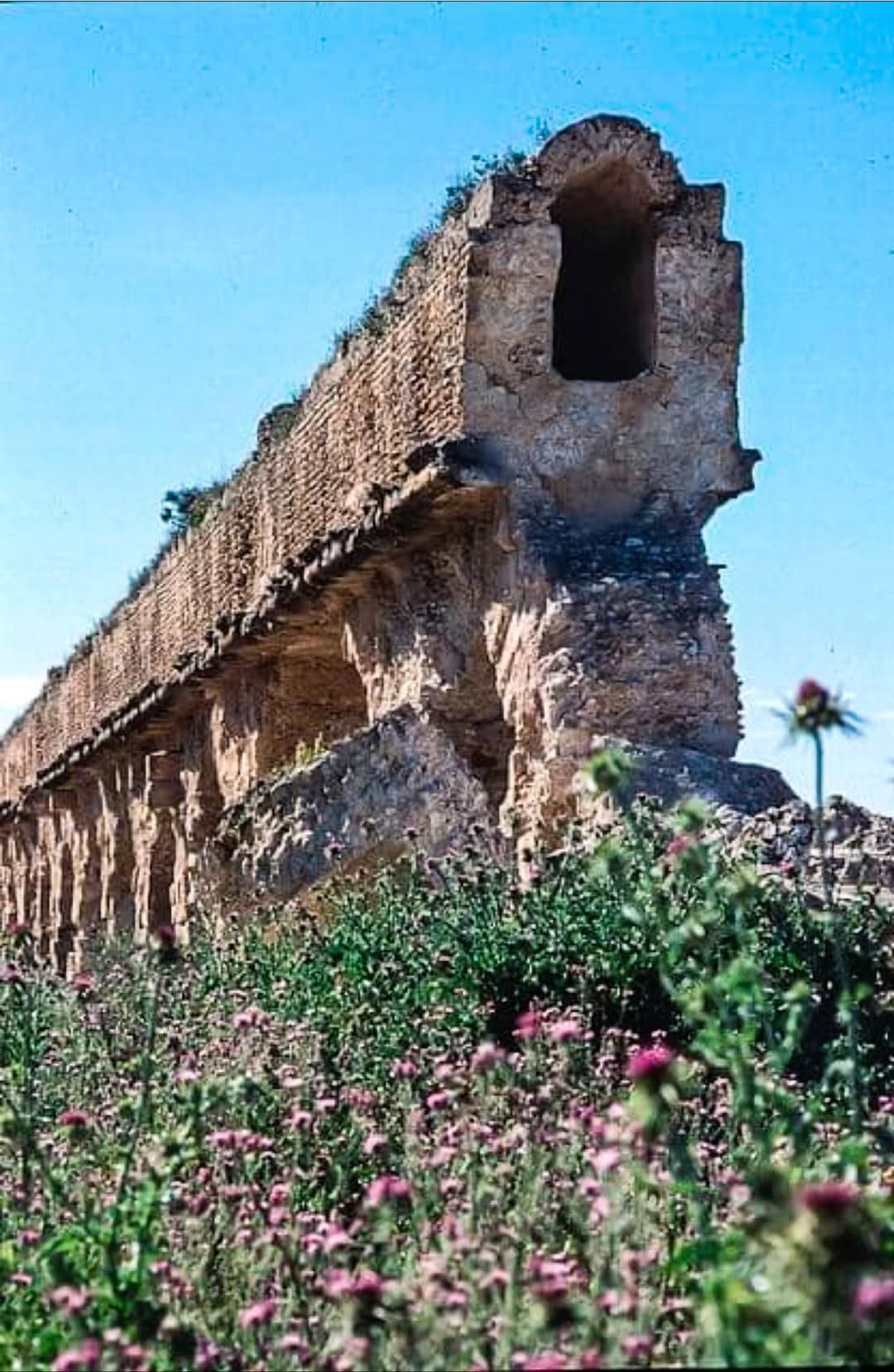
The Roman aqueduct system, such as the impressive structure displayed here, is a powerful testament to the exquisite engineering prowess of the Roman Empire. Mostly built during the height of Roman expansion, these irrigation systems, constructed between the 4th century BC and the 3rd century AD, met the growing needs of urban centers. By cleverly utilizing the terrain and gravity, Roman engineers successfully transported vast quanтιтies of fresh water over tens, sometimes hundreds, of kilometers from distant mountain springs to the heart of bustling cities, ensuring public health, sanitation, and the functionality of Roman baths, fountains, and private residences.
The construction of these architectural wonders required meticulous material selection and advanced construction techniques. The structures were typically built using a combination of durable stone masonry, brick, and highly elastic Roman concrete (opus caementicium). The characteristic arches were designed to provide structural stability and load-bearing capacity while minimizing the amount of material required, allowing the aqueducts to traverse deep valleys and uneven terrain. Inside the elevated sections, the aqueducts—or specus—were often lined with a waterproof hydraulic mortar (opus signinum) to prevent leaks and ensure the purity of the water as it reached its destination in the city.
Beyond their physical presence, the primary significance of these aqueducts lay in their role as essential infrastructure facilitating the development of a globalized, urbanized society. The continuous flow of water supported the dense population, regulated public sanitation, and served as a powerful symbol of Roman civilization’s influence and technological superiority. These structures were not merely functional but were often integrated into the landscape as architectural statements, reflecting the power and influence of the state. By providing a reliable water supply, aqueducts directly facilitated the development of characteristic Roman social practices, most notably the thermae, or public baths, which served as vital community centers for social, political, and physical participation.
The study of these structures has been fundamental to archaeological research since the Renaissance, with more systematic investigations flourishing in the 19th and 20th centuries. Archaeologists and historians, often working under the auspices of national heritage agencies and universities across Europe, the Mediterranean, and North Africa, meticulously mapped, surveyed, and reconstructed these aqueducts. Through field documentation and architectural analysis, insтιтutions specializing in classical studies have been able to reconstruct the complex logistical systems involved in the construction and maintenance of these aqueducts. These researchers have provided crucial insights into surveying methods, such as the use of groma or chorobates, which allowed ancient engineers to maintain precise slopes over vast distances.
In short, the aqueduct shown in the image is a powerful symbol of human ingenuity and the enduring legacy of Roman civilization. Although many of these structures have fallen into ruin over the centuries, they remain important objects of modern archaeological research, revealing the complex interplay between the art of governance, engineering, and daily life in antiquity. As we continue to preserve these remnants of our shared past, they offer an invaluable lesson on the importance of sustainable infrastructure and human adaptation to the environment. Their continued existence serves as a bridge, connecting modern engineering principles with the ancient aspiration to harness nature to sustain and enrich human life.
✓ hoangduc
The Roman aqueduct system, such as the impressive structure displayed here, is a powerful testament to the exquisite engineering prowess of the Roman Empire. Mostly built during…