The Cuneiform Legacy: Unlocking the Ancient Near East
The clay tablets presented here represent one of the most revolutionary technologies in human history: the development of cuneiform writing in ancient Mesopotamia. Dating back to the late 4th millennium BC, these tablets served as the primary means of recording economic transactions, administrative data, and ultimately the literary and legal traditions of the Sumerian, Akkadian, and Babylonian societies. The rectangular, palm-sized tablet held by the scholar in the image is a prime example of the format used by scribes during this period. Its survival over thousands of years is testament to the durability of dried or fired clay, a long-lasting material in a region where perishable materials like papyrus have long since disintegrated.
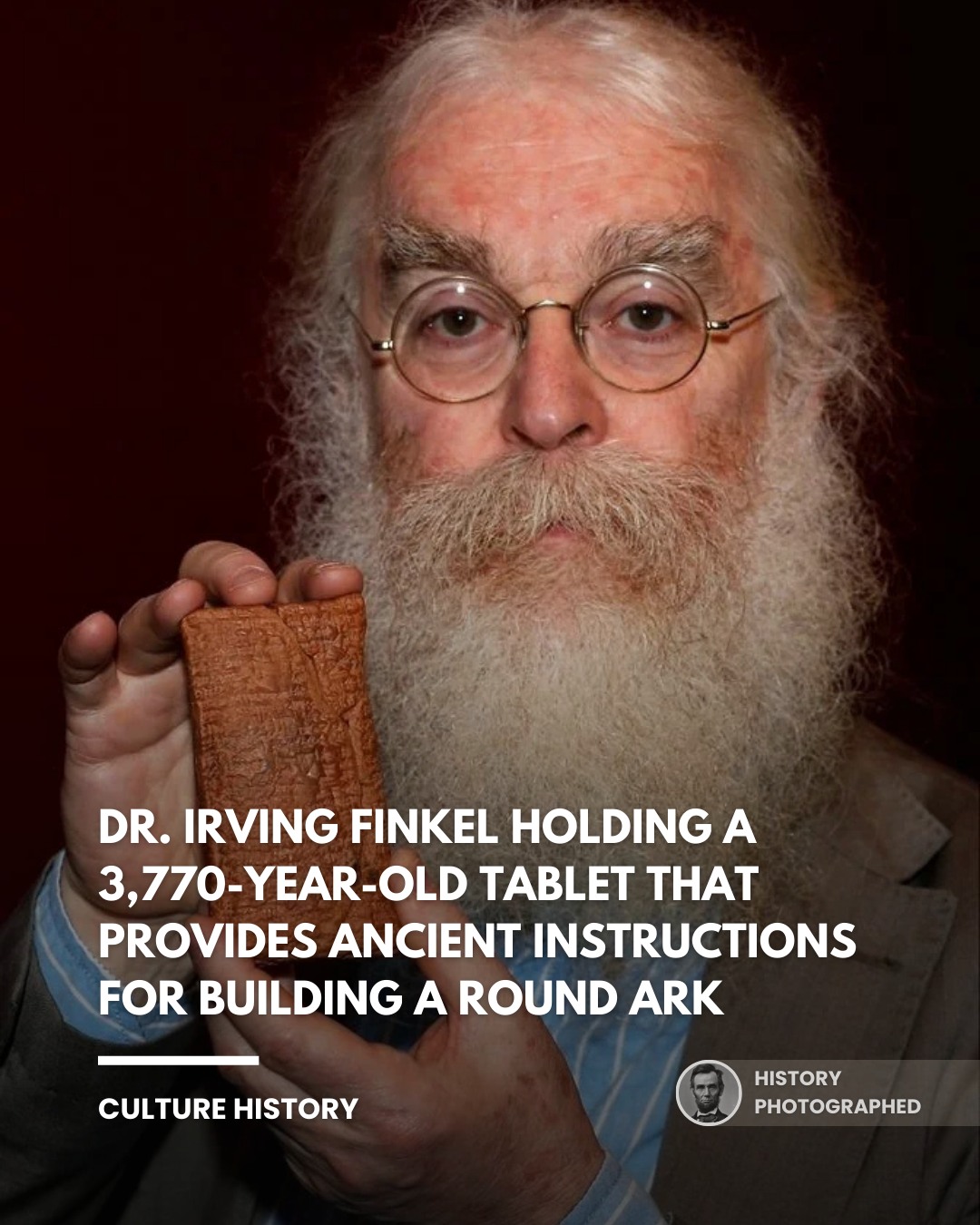
The material and craftsmanship of these tablets reflect a highly standardized administrative process. To create these tablets, the scribes used stylus pens made of reeds, often cut to form a wedge-shaped tip, which were pressed into damp clay to create the characteristic “wedge” (or cuneiform) symbols. The preparation of the clay required careful refinement to remove impurities, ensuring a smooth surface capable of inscribing intricate characters. The process of inscribing on these tablets was not merely a matter of record-keeping but a disciplined art form, requiring years of training at specialized schools called edubba. The precision of the inscriptions illustrates the high level of education and the тιԍнт administrative organization that the Mesopotamian state maintained to manage everything from grain rations to royal decrees.
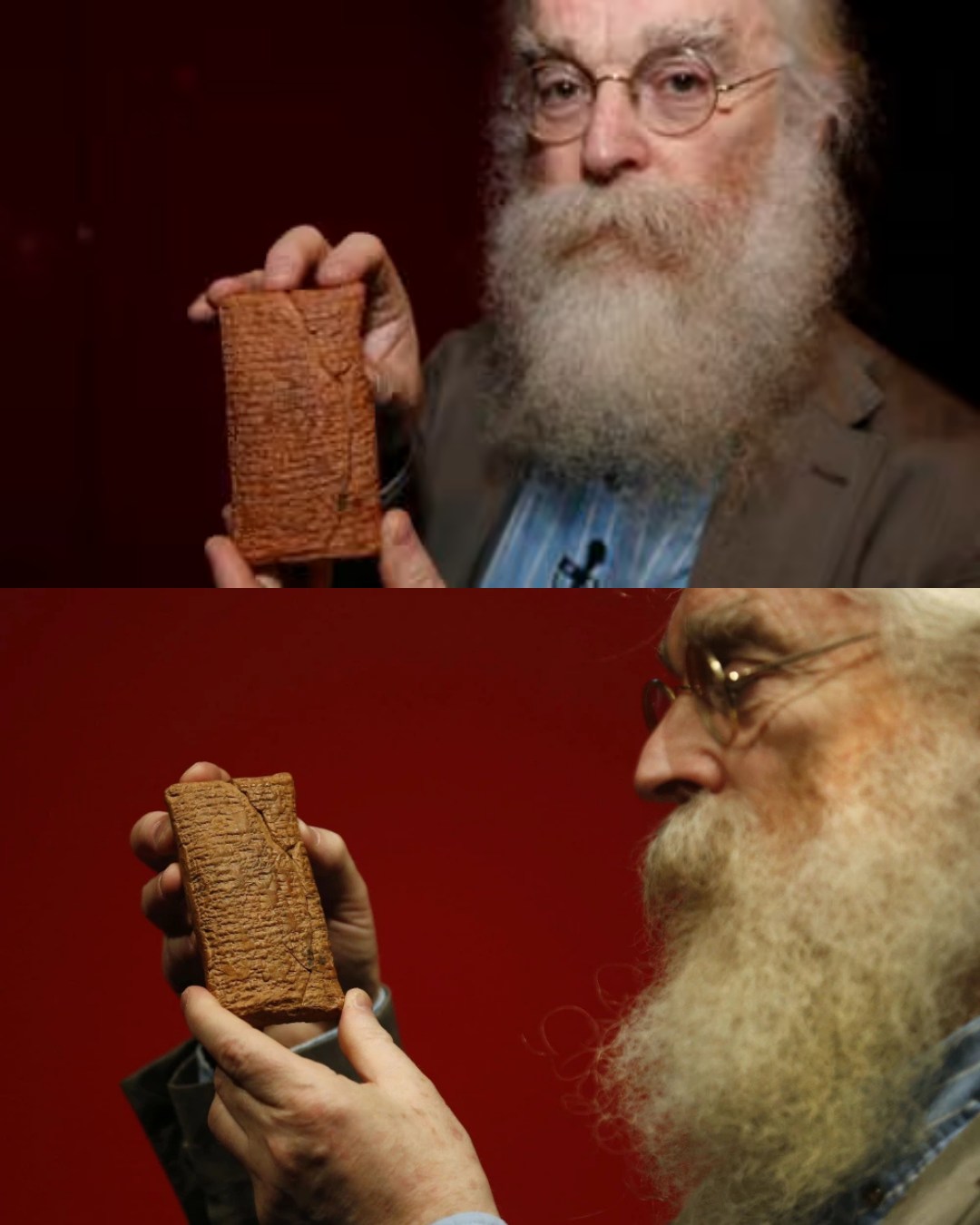
The primary functions of these tablets varied widely, from daily record-keeping to the preservation of great literary works. Administratively, they formed the foundation of the Mesopotamian economy, tracking inventories, debts, land ownership, and legal contracts. However, beyond their practical function, they also served as repositories for some of the world’s oldest narratives, including the epic of Gilgamesh. The tablets are described as symbolic of thousands of similar documents found from major urban centers such as Uruk, Nineveh, and Babylon. These archives were often kept in palace libraries or temple complexes, reflecting the role of the state and religious authorities in maintaining the collective memory of the civilization. Their usefulness as a communication tool allowed for the administration of vast territories, effectively consolidating the power of Mesopotamian kings.
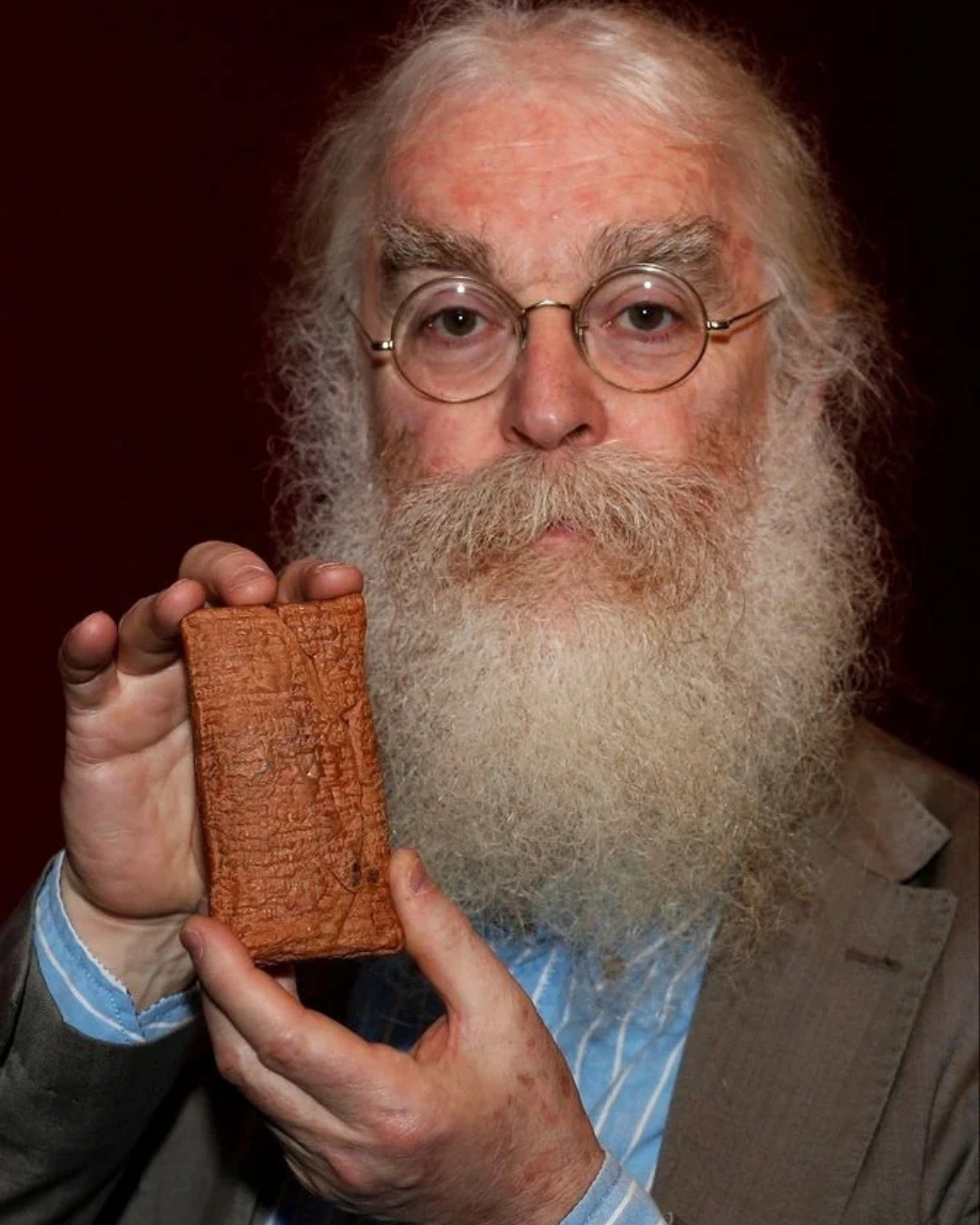
The academic history surrounding the excavation and deciphering of these artifacts is a fundamental pillar of modern archaeology and ᴀssyriology. From the early 19th century, large-scale excavations led by pioneers such as Austen Henry Layard and Paul-Émile Botta at sites like Nimrud and Nineveh brought vast collections of these tablets to light. Subsequent deciphering of the writings by scholars like Henry Rawlinson unlocked the history of the ancient Near East, reintroducing to the world the voices of long-lost empires. The figure depicted represents a long lineage of specialists, from epigraphers to museum curators, who have dedicated their lives to the delicate process of cleaning, stabilizing, and translating these fragile documents to ensure their contents are preserved for future generations.
In the broader context of human history, studying clay tablets like the one found remains essential to understanding the transition from prehistoric oral traditions to historically written civilizations. These artifacts offer detailed glimpses into daily life in fertile Mesopotamia, revealing details about diets, trade, laws, and social hierarchies that would otherwise have been obscured by time. By considering the context of these finds—whether in a royal library or the private home of a merchant—archaeologists can reconstruct the complex socio-economic networks that shaped the early state. As researchers continue to apply new technologies, such as 3D scanning and high-resolution imaging, to these ancient documents, they continue to provide fresh and crucial insights into the foundational achievements of our shared past.
✓ hoangduc
The clay tablets presented here represent one of the most revolutionary technologies in human history: the development of cuneiform writing in ancient Mesopotamia. Dating back to the…