The Eternal Veins of the Desert: Unveiling the Nazca Puquios
In the heart of the hyper-arid Peruvian desert, the Nazca culture (c. 100 BCE – 800 CE) achieved a feat of hydraulic engineering that continues to defy the ravages of time. Amidst the swirling sands and the famous geoglyphs, there exists a sophisticated, subterranean marvel known as the puquios. These are not merely ancient relics but a functional, living testimony to the ingenuity of a civilization that transformed a barren landscape into a life-sustaining oasis. Dating back approximately 1,500 years, this complex network of filtration galleries and funnel-shaped access shafts represents one of the most remarkable instances of pre-Columbian water management in the Americas, a system that effectively harnesses the limited groundwater trapped beneath the surface.
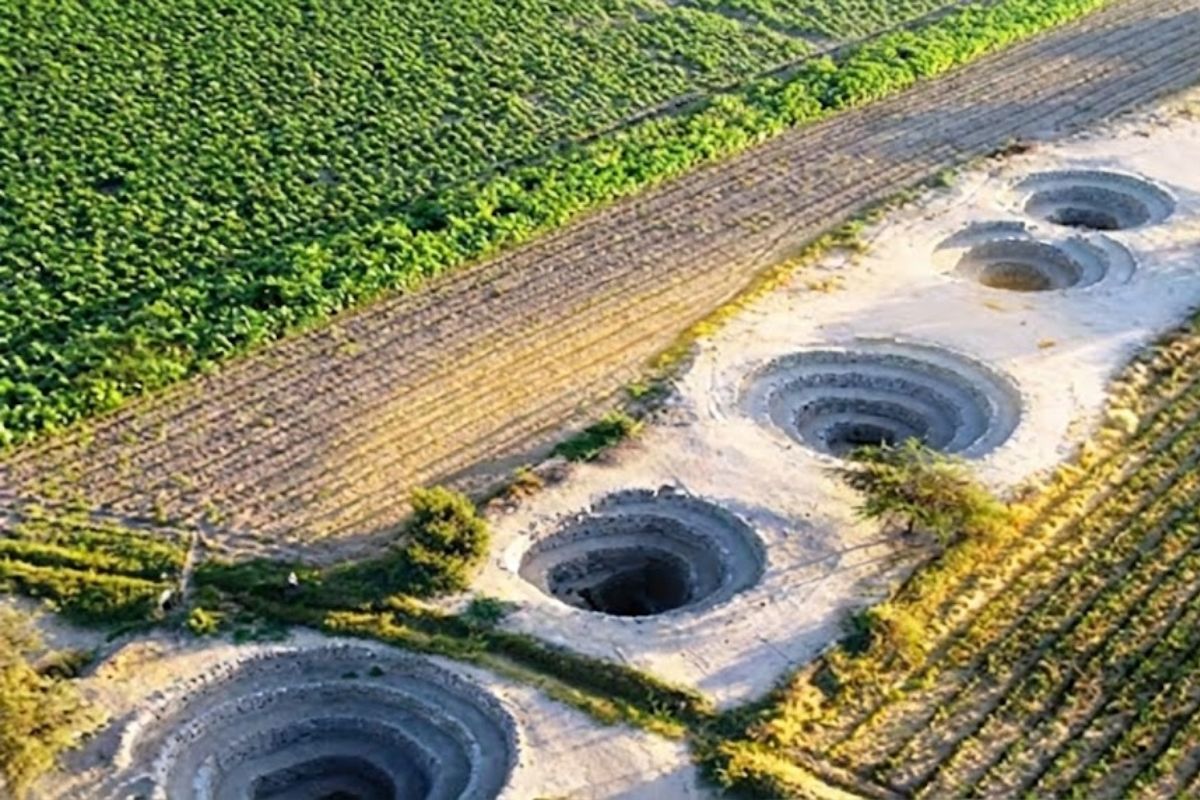
The construction of the puquios reveals a mastery of both geology and architectural labor. The system consists of two primary components: deep horizontal trenches that tap into subsurface aquifers, and the iconic ojos—the spiral, funnel-shaped openings seen at the surface. To build these, the Nazca laborers excavated long, subterranean channels, which were then meticulously lined with river stones and reinforced with wood or stone roofs, deliberately left without mortar to allow for the natural filtration of groundwater into the gallery. These tunnels, which can extend for hundreds of meters, were specifically designed to channel water toward irrigation canals (acequias) and reservoirs (kochas), ensuring a steady, reliable supply of water for agriculture and domestic use in an environment where surface water is fleeting.
The ingenuity of this design lies in the functionality of the ojos (Spanish for “eyes”). While often misunderstood as mere decorative wells, these funnel-shaped shafts served multiple critical purposes. Archeologically, they were essential for maintenance; they provided access points for the periodic cleaning of the subterranean channels to prevent silt buildup, a tradition of maintenance that local farmers continue to practice today. Furthermore, these shafts functioned as air ventilation systems, maintaining atmospheric pressure within the tunnels to facilitate the constant flow of water. Some researchers have even proposed that the funnel shape was engineered to harness the prevailing desert winds, which forced air down into the channels, further pushing the water along its path to the fields.

The discovery and subsequent scholarly attention directed toward the puquios have been a gradual process of archaeological revelation. While the local inhabitants of the Nazca valley have utilized these structures for centuries, scientific interest in the systems grew significantly in the 20th century. Pioneers like the American historian Paul Kosok and the renowned German mathematician and archaeologist Maria Reiche—better known for their work on the nearby Nazca Lines—helped bring international focus to the broader context of Nazca civilization. Archaeological surveys, such as those conducted by scholars like Katharina Schreiber and Josué Lancho Rojas, have since provided the formal documentation required to understand the puquios not just as isolated features, but as a regional, integrated hydraulic infrastructure that allowed for permanent human settlement in the valley.
Ultimately, the puquios stand as a profound testament to the sustainability and foresight of the Nazca people. By manipulating the environment in harmony with natural water tables rather than struggling against it, they secured their survival in one of the most unforgiving climates on Earth. These systems do more than just provide water; they illustrate an advanced understanding of hydrology that, even with our modern technological advancements, remains a subject of awe and study. As we continue to face global challenges regarding water scarcity, the enduring functionality of the puquios provides us with a humbling and essential lesson in how ancient engineering can provide, and indeed continue to provide, for future generations.
✓ hoangduc
In the heart of the hyper-arid Peruvian desert, the Nazca culture (c. 100 BCE – 800 CE) achieved a feat of hydraulic engineering that continues to defy…