The Genesis of Ritual: An Archaeological Analysis of Göbekli Tepe
From a formal archaeological perspective, Göbekli Tepe represents the most significant paradigm shift in our understanding of the transition from hunter-gatherer societies to settled civilization. Situated on an artificial mound (tell), the site features a complex urban stratigraphy where circular enclosures were built, used, and subsequently backfilled with limestone rubble and organic refuse. This deliberate “intentional burial” of the structures preserved the monumental T-shaped pillars from environmental degradation for over ten millennia. Unlike later Neolithic sites, Göbekli Tepe lacks evidence of domestic habitation, such as hearths or permanent residences, suggesting it was a “cathedral on a hill”—a primary ritual center that predates the invention of agriculture and pottery.
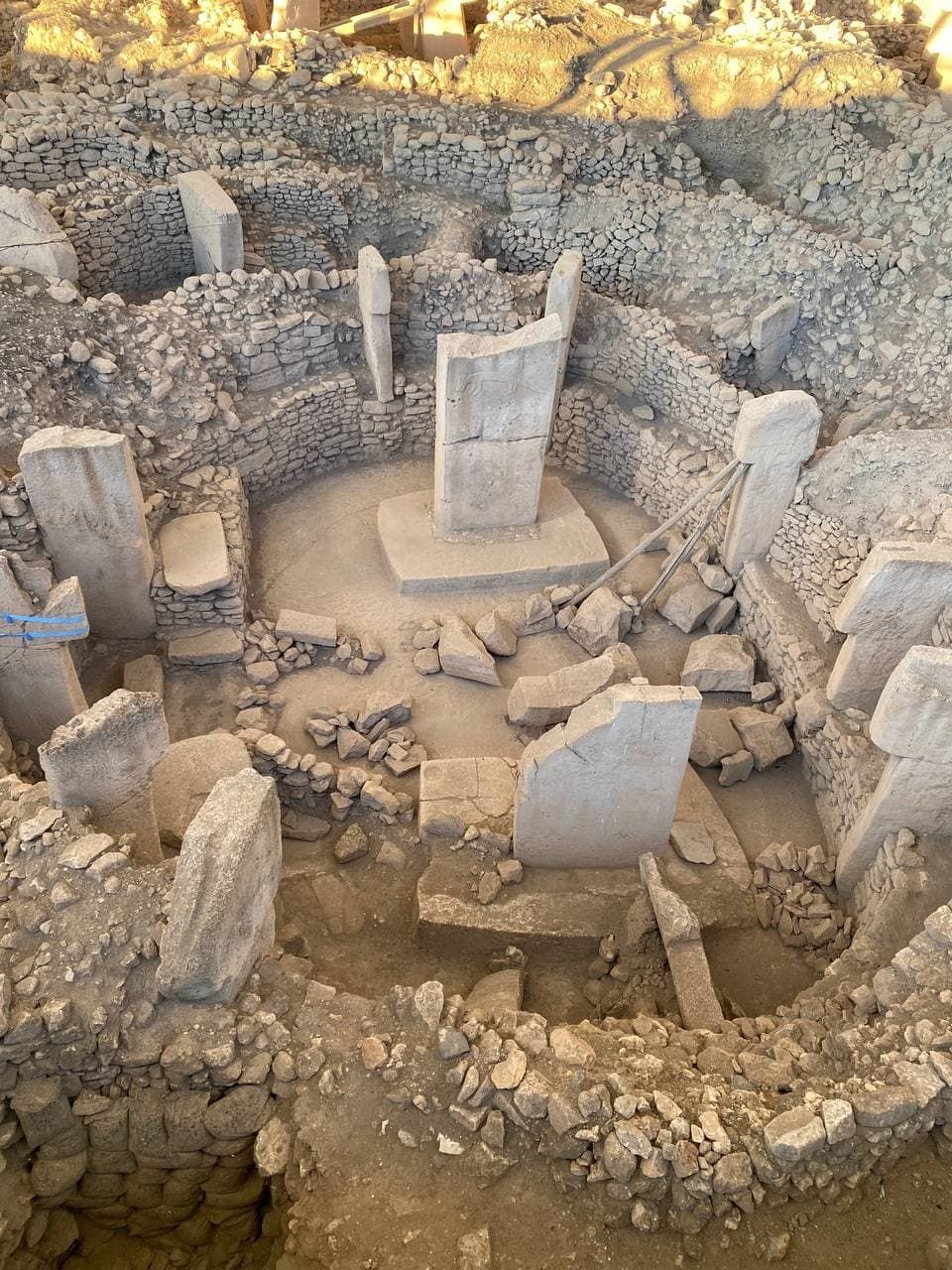
The “materiality” of this monumental complex consists of mᴀssive blocks of local crystalline limestone, quarried from the adjacent plateau. The craftsmanship displayed in the “T-shaped” pillars—some reaching 5.5 meters in height and weighing up to 20 tons—is an extraordinary feat of Pre-Pottery Neolithic engineering. The pillars were carved using flint tools (obsidian and chert) through a process of percussion and abrasion. A unique detail of the craftsmanship is the high-relief and low-relief carvings; rather than simple incising, the artisans often carved away the background of the stone to leave the animal figures protruding, a labor-intensive technique that demonstrates a highly specialized artistic class existing long before traditional state structures.
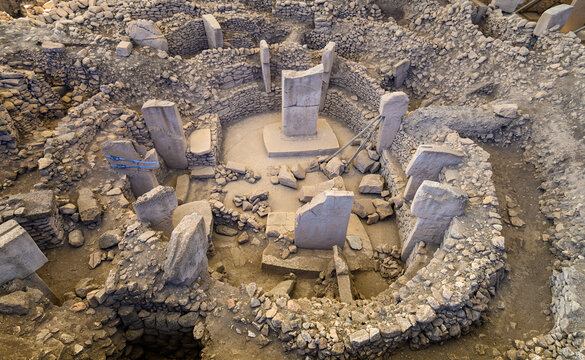
The morphology of the enclosures is characterized by large, concentric stone walls housing two central T-shaped pillars facing each other. These central pillars are increasingly interpreted as stylized humanoid beings, with carved arms, belts, and loincloths visible on their sides. Surrounding them are secondary pillars adorned with a complex zoomorphic bestiary, including foxes, scorpions, lions, vultures, and snakes. The iconographic detail is not merely decorative but highly symbolic; the predatory nature of many of the animals suggests a “guardian” or “liminal” role, perhaps representing a prehistoric mythology focused on the spirit world or the transition between life and death.
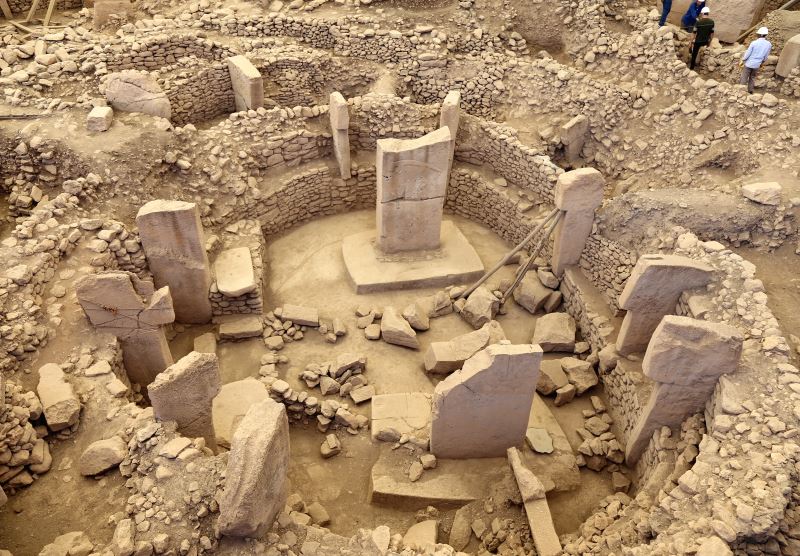
The primary function of Göbekli Tepe was a socio-religious hub intended for communal gatherings and ritual performances. In a socio-economic sense, the “utility” of the site was its role as a catalyst for human organization. The mobilization of hundreds of individuals to quarry, transport, and carve these monoliths required a level of social hierarchy and food surplus previously thought impossible for hunter-gatherers. This find has inverted the traditional archaeological theory that “agriculture led to religion”; instead, Göbekli Tepe suggests that the need to organize for large-scale ritual led to the domestication of wild grains to feed the gathered labor force, effectively making religion the “engine” of civilization.
While the site was first noted in a 1963 survey by the University of Chicago and Istanbul University, its true significance was unearthed starting in 1994 by the late German archaeologist Klaus Schmidt of the German Archaeological Insтιтute (DAI). Under Schmidt’s direction, the DAI, in partnership with the Şanlıurfa Museum, transformed the site into a global research laboratory. Today, the project is a UNESCO World Heritage Site, managed by the Turkish Ministry of Culture and Tourism. Modern research utilizes ground-penetrating radar to map the dozens of enclosures still buried beneath the soil, ensuring that the “world’s first temple” continues to challenge our fundamental definitions of human progress and the origins of belief.
✓ hoangduc
From a formal archaeological perspective, Göbekli Tepe represents the most significant paradigm shift in our understanding of the transition from hunter-gatherer societies to settled civilization. Situated on…