The Golden Testament of Darius: An Archaeological Appraisal
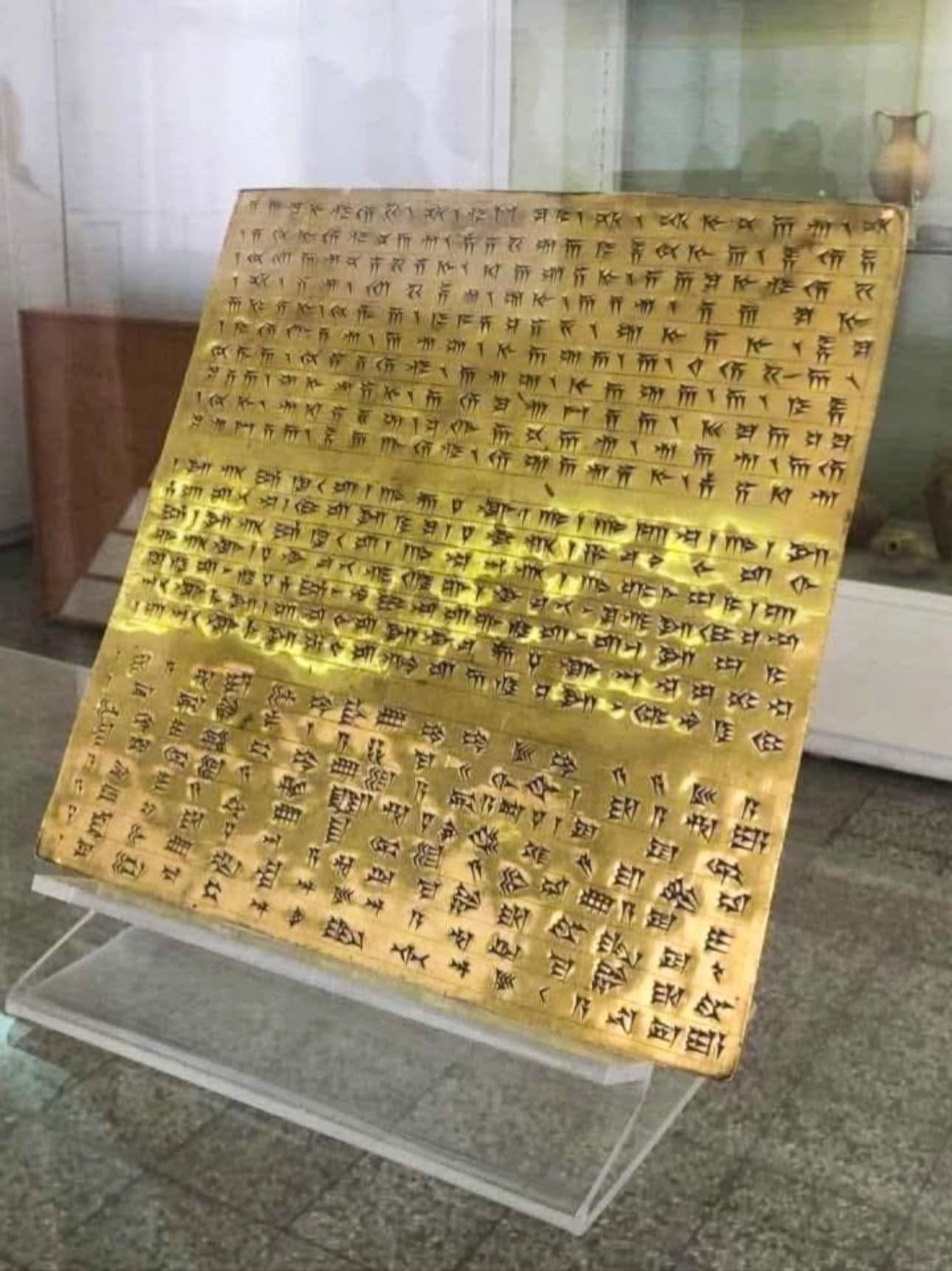
The artifact presented is a remarkable golden foundation tablet, a primary archaeological document dating to the Achaemenid Empire, specifically the reign of King Darius the Great (reigned 522–486 BC). Discovered at the majestic site of Persepolis in modern-day Iran, this tablet is one of several such foundation deposits recovered from the Apadana palace area. These tablets were intentionally placed within stone boxes beneath the corners of the palace foundations, serving as a permanent, consecrated record of the ruler’s achievements and the extent of his imperial dominion. The recovery of such items provides scholars with a direct, tangible link to the administrative and ideological foundations of the Achaemenid state, illustrating the grandeur of a civilization that once bridged three continents.
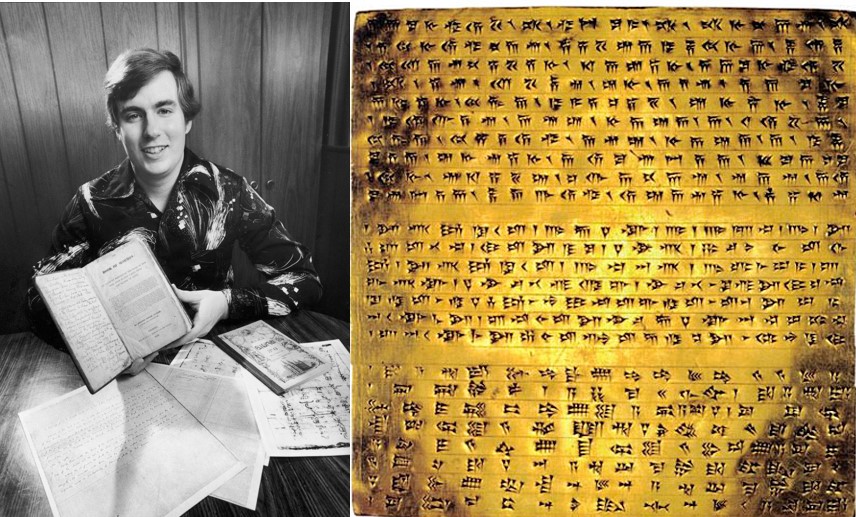
The craftsmanship of this tablet is a testament to the immense wealth and technological sophistication of the Achaemenid court. It is forged from high-purity gold, a material reserved for the most significant imperial commissions, and measures approximately 33 by 33 centimeters. The surface is meticulously inscribed with Old Persian cuneiform characters, a script that required immense precision to engrave upon the soft, malleable golden surface. The uniformity and elegance of the script reflect the work of highly skilled royal scribes who were adept at utilizing the standardized cuneiform system to formalize the king’s proclamations. This degree of fabrication not only emphasizes the durability of gold as a medium for “eternal” records but also highlights the meticulous care taken by the Achaemenid administration to ensure that their royal legacies remained legible for posterity.
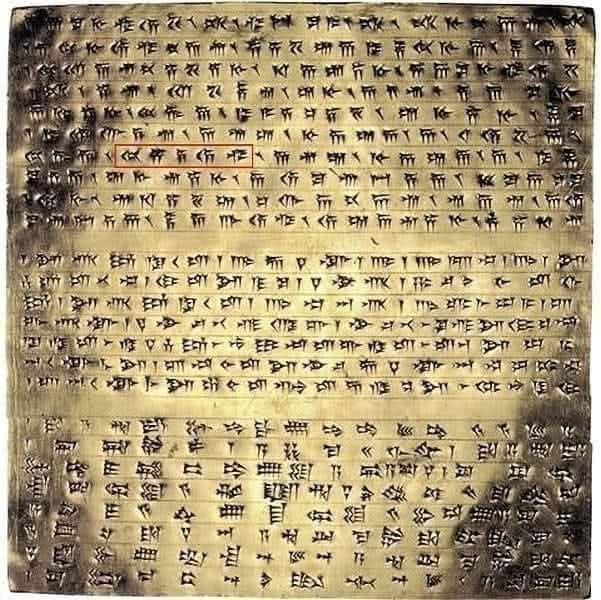
Beyond its material beauty, the tablet carries profound political and religious significance. The inscriptions serve as a declaration of legitimacy, identifying Darius the Great as the “King of Kings” and detailing the boundaries of his vast empire, which stretched from the lands of the Scythians to Kush and from the Indus to Sardis. By interring these gold and silver plates, Darius was not only commemorating the construction of the Apadana—the grand audience hall—but was also engaging in a deeply traditional act of ensuring divine favor and historical remembrance. The text functions as a foundational document, ᴀsserting the king’s mandate to rule and providing an official state narrative that solidified the unity of the diverse cultures under Persian authority.
The identification and formal excavation of these tablets are tied to the comprehensive archaeological efforts at Persepolis during the early 20th century. Most notably, the Oriental Insтιтute of the University of Chicago, under the direction of archaeologists such as Ernst Herzfeld in the 1930s, played a pivotal role in uncovering these significant deposits. The discovery process was a landmark event in Near Eastern archaeology, as it provided rare, unadulterated evidence of imperial Persian administrative practices. The meticulous documentation performed by these teams allowed for the contextual placement of the tablet within the architectural framework of the palace, ensuring that its historical narrative could be accurately interpreted against the physical structures it once helped consecrate.
Today, this golden tablet stands as a bridge between the ancient past and contemporary historical understanding. As evidenced by the clarity of the script, the preservation of such metal artifacts is extraordinarily high, offering modern researchers a pristine text that has not suffered the weathering common to stone inscriptions. The study of these tablets continues to refine our comprehension of Achaemenid economic systems, linguistic development, and royal propaganda. Through the ongoing preservation and analysis of these materials, archaeologists are able to reconstruct the ideological landscape of the Achaemenid Empire, ensuring that the voice of Darius the Great continues to be heard millennia after his reign concluded.
✓ hoangduc
The artifact presented is a remarkable golden foundation tablet, a primary archaeological document dating to the Achaemenid Empire, specifically the reign of King Darius the Great (reigned 522–486…