The Grand Staircase of Coba: An Archaeological Inquiry into the Nohoch Mul Pyramid and Mayan Monumental Architecture

The majestic Nohoch Mul pyramid, featuring its exceptionally steep and monumental central staircase, stands as one of the most awe-inspiring architectural achievements in Maya archaeology, offering profound insights into the engineering capabilities of the Classic and Postclassic Maya periods. Located deep within the dense jungle of the Yucatán Peninsula in Mexico, this colossal structure forms the centerpiece of the ancient Maya city of Coba, providing critical physical evidence of how large-scale civic-ceremonial architecture was conceived, terraced, and constructed to command the surrounding tropical landscape. Commissioned and expanded across multiple centuries—with primary construction phases flourishing during the Late Classic period around 600 to 900 CE, and continued ritual use extending into the Postclassic era up to approximately 1100 CE—the pyramid rises to an impressive height of 42 meters, making it the tallest ancient structure in the northern Yucatán region.
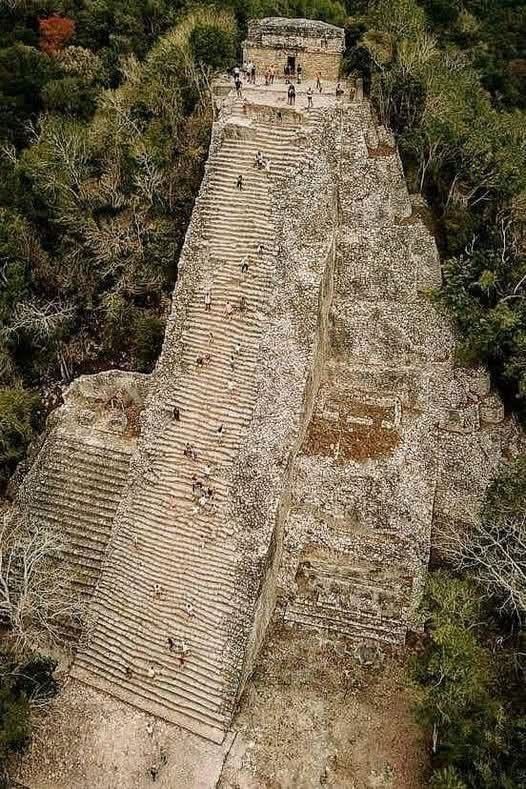
The primary materials selected for this monumental undertaking consist of locally quarried limestone blocks, bound together with a durable mortar made from burned limestone, sascab (soft limestone subsoil), and organic binding agents, all surfaced with a smooth layer of lime plaster. The manufacturing and construction techniques employed by the ancient Maya masons relied heavily on manual quarrying, precise stone-dressing with hard flint and obsidian tools, and terraced core-filling methods where rubble and smaller stones were encased within outer retaining walls of finely cut ashlar masonry. Archaeological analysis of the sweeping 120-step grand staircase reveals that each step was carefully proportioned and laid to create an intensely steep ascent, utilizing heavy stone blocks that required immense cooperative human labor, wooden levers, and organic fiber ropes to position correctly without the aid of metal tools or beasts of burden.
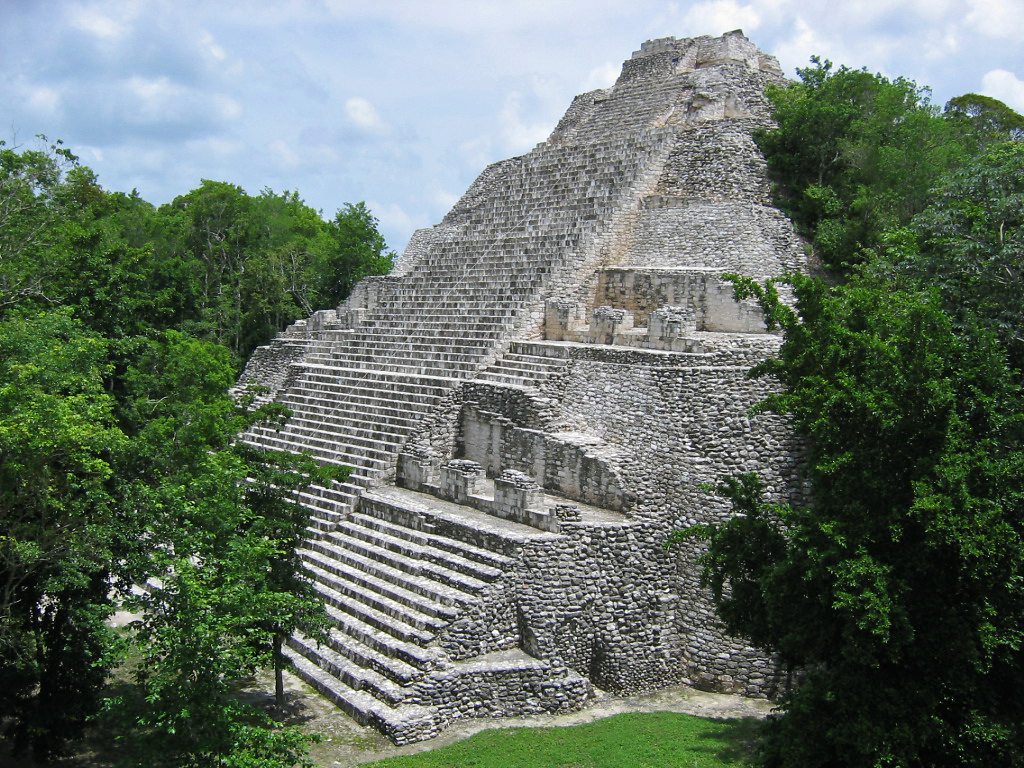
The significance of the Nohoch Mul pyramid extends far beyond its physical scale, serving as a primary archaeological indicator of political centralization, elite religious authority, and urban planning within the Coba polity. In ancient Maya ideology, such towering structures functioned as sacred mountains (wits) and cosmic axes that bridged the earthly realm with the celestial heavens and the underworld, serving as physical stages for divine kings and priests to perform vital public rituals, bloodletting ceremonies, and astronomical observations. Had it been observed during its peak occupation, the summit temple would have been brightly painted in vibrant reds and blues, dominating a vast network of white limestone causeways (sacbeob) that radiated outward from Coba to connect subordinate settlements across the regional trade network. The sheer architectural dominance of the pyramid reflected the absolute political power and ideological control exerted by the divine rulers over thousands of agrarian subjects.
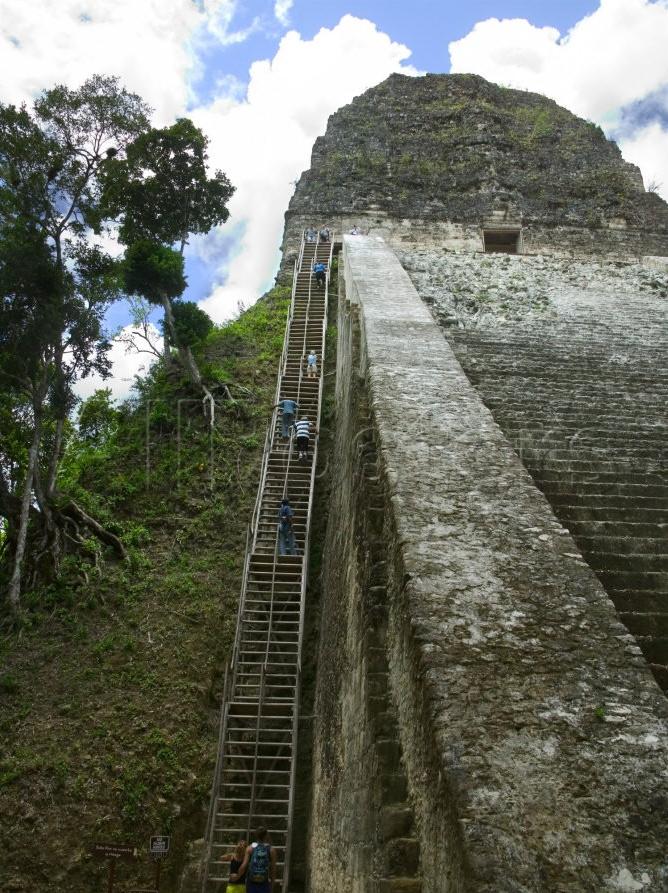
The structural integrity and long-term survival of the pyramid have been subjected to natural weathering by the aggressive tropical jungle environment, which slowly consumed the site following its abandonment prior to the Spanish conquest. As root systems infiltrated the masonry and torrential seasonal rains eroded the exterior lime plaster, the architectural elements experienced significant surface degradation, yet the core stone framework largely retained its original geometric profile. Modern conservation challenges involve stabilizing the steep limestone steps against the relentless pressure of tourism and botanical growth, requiring careful intervention by heritage preservationists to maintain the structural safety of the monument without compromising its authentic archaeological fabric.

The site of Coba and the Nohoch Mul pyramid were brought to modern archaeological prominence through early exploration reports and subsequent insтιтutional mapping projects initiated in the late 19th and 20th centuries, notably documented by explorer John Lloyd Stephens and artist Frederick Catherwood, and later intensively surveyed by the Carnegie Insтιтution of Washington in the 1920s and 1930s. Subsequent decades of extensive excavations and consolidation work by Mexico’s National Insтιтute of Anthropology and History (INAH) have mapped the extensive urban core, deciphered dynastic hieroglyphic inscriptions, and restored safe access to the summit. Through these rigorous scientific and preservation efforts, the Nohoch Mul pyramid continues to serve as an invaluable monument for decoding the complex socio-political dynamics and architectural genius of the ancient Maya civilization.
✓ hoangduc
The majestic Nohoch Mul pyramid, featuring its exceptionally steep and monumental central staircase, stands as one of the most awe-inspiring architectural achievements in Maya archaeology, offering profound…