The Hórreo of Galicia: A Vernacular Icon of Agricultural Resilience

Nestled within the verdant, rain-soaked landscape of Galicia, in northwestern Spain, stands a distinct and iconic architectural marvel known as the hórreo. This elevated granary is not merely a functional agricultural building but a profound cultural artifact that encapsulates the region’s history, economy, and social structure. While many hórreos are still found actively integrated into the rural landscape, their deep historical roots and evolved forms make them a subject worthy of archaeological and anthropological study. These structures bear witness to centuries of subsistence farming, community cooperation, and ingenious adaptation to a challenging climate, serving as tangible links to a pre-industrial past.

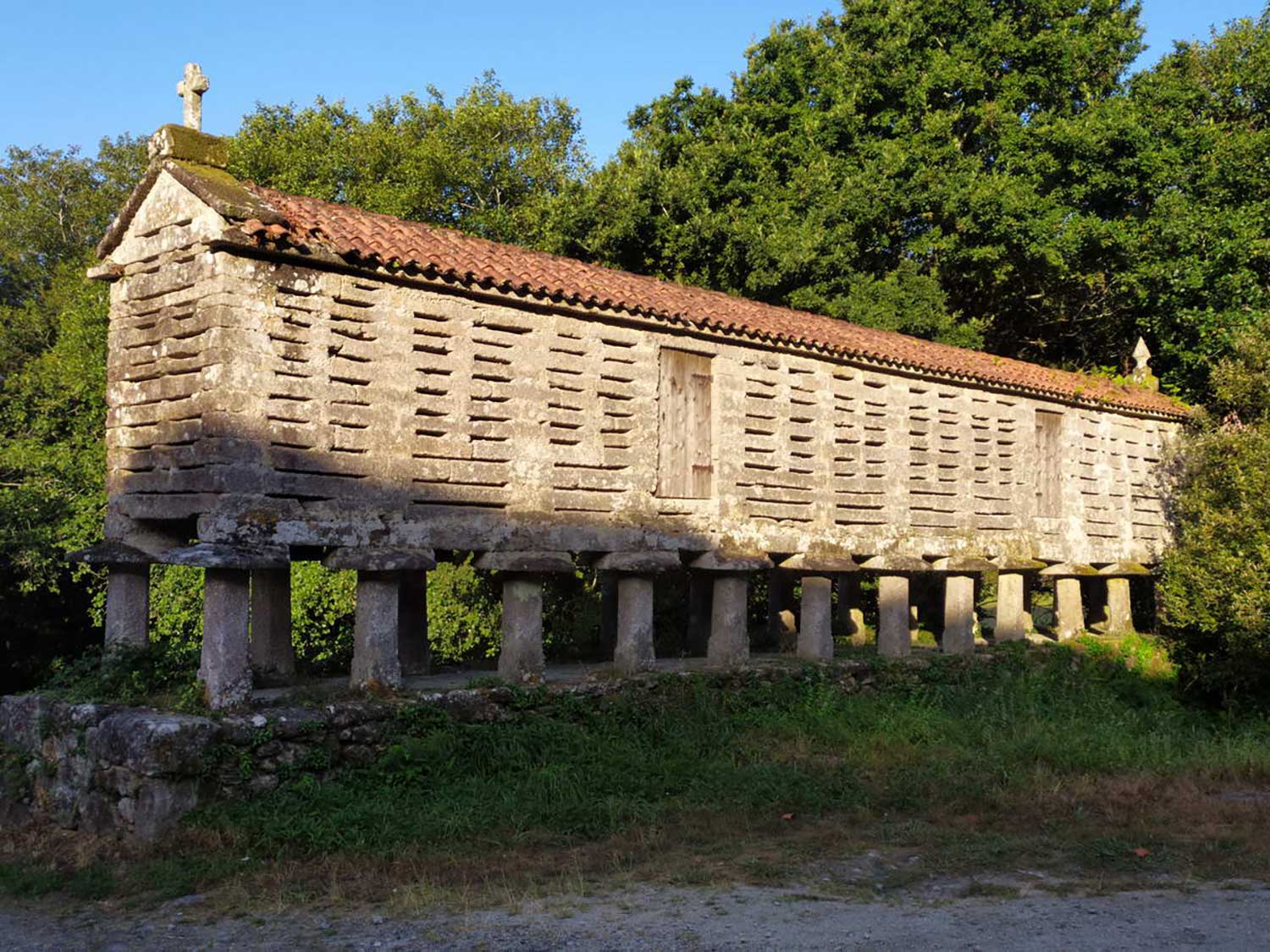
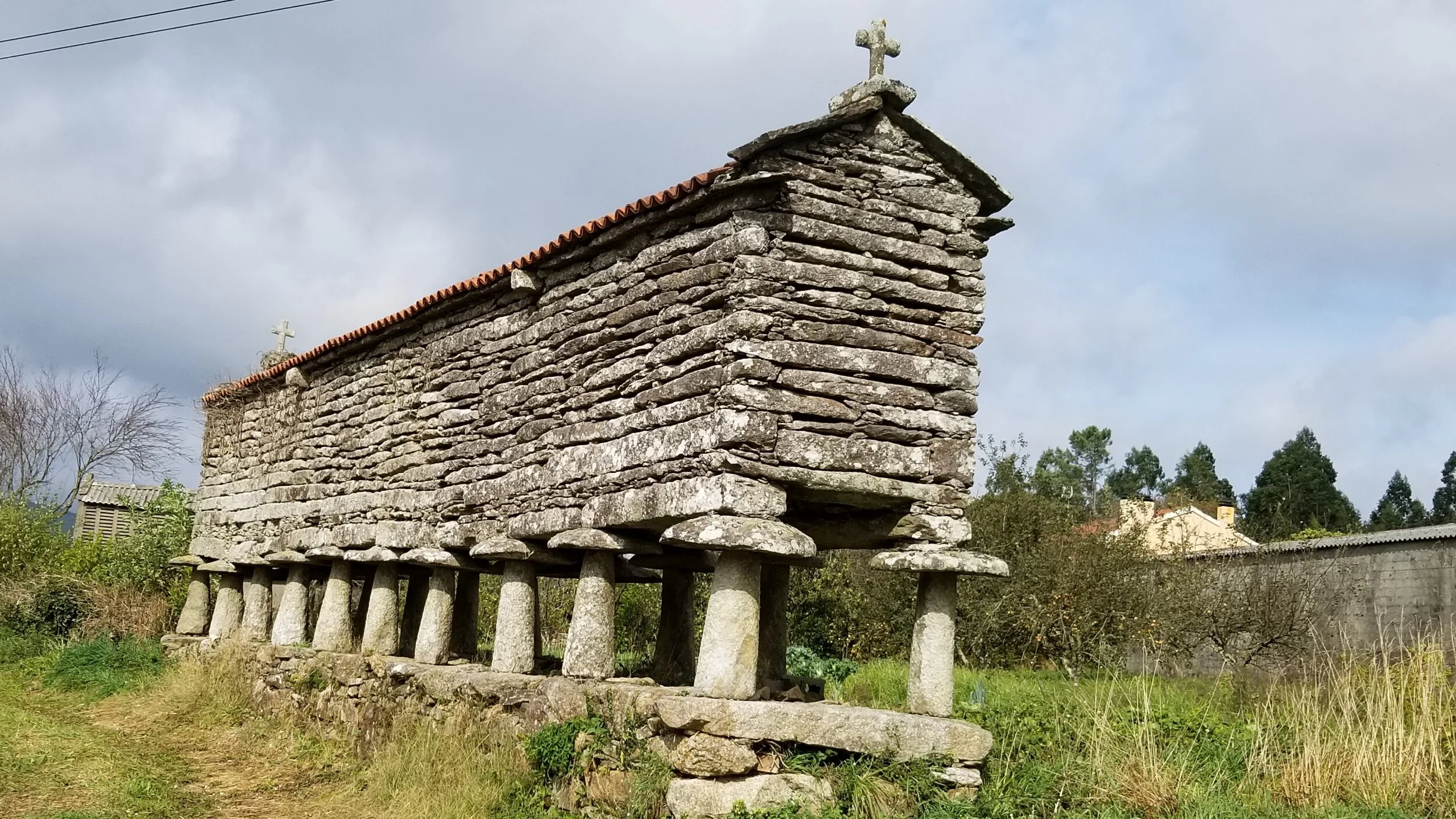
The hórreo is fundamentally a product of its environment. Galicia’s Atlantic climate, characterized by high humidity and significant rainfall, made the traditional method of storing grain in ground-level silos or cellars disastrous; the crops would quickly rot or become infested with pests. The solution developed by the local population was brilliant in its simplicity and effectiveness: elevation. By lifting the grain storage chamber off the ground, the hórreo creates a cool, well-ventilated space that protects the harvest from moisture and vermin. This structural requirement dictates its form, which typically consists of an elongated chamber supported by a series of stone pillars, known as esteos or ameais, topped with wide, circular or rectangular capstones, called mós, which physically block rodents from climbing into the storehouse.
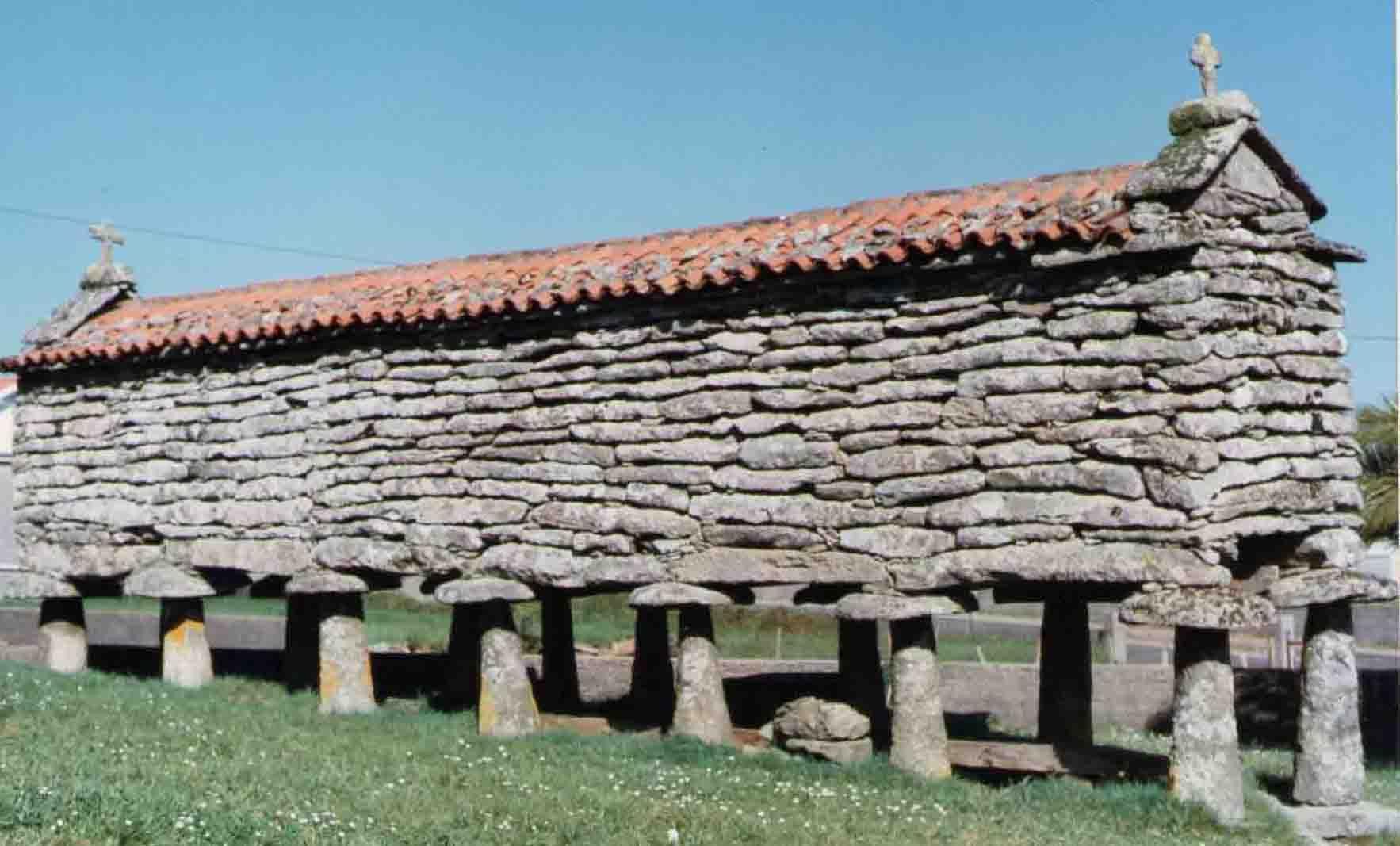
While the Galician hórreo shares a lineage with similar elevated granaries found across Atlantic Europe and beyond, its regional variations are significant. The primary materials used in their construction are local stone, most commonly granite, and wood for the floor and roof structure. The walls can be made of тιԍнтly fitted granite blocks (the lousa style, often found in coastal areas for better ventilation) or of interwoven wooden laths and planks, a more traditional and widespread technique known as torrexón. The roofs are typically pitched and covered with curved ceramic tiles or large granite slabs. The most elaborate hórreos feature finely carved stone crosses at the apexes, a dual symbol of Christian faith and a plea for divine protection over the village’s sustenance.
The construction and use of hórreos became particularly prominent in Galicia during the late Middle Ages, a period marked by population growth, the introduction of new crops like maize (corn) from the Americas, and changes in feudal land tenure. The widespread adoption of maize, which requires effective and ventilated drying, led to a proliferation and standardization of hórreo designs in the 18th and 19th centuries, which is when the vast majority of extant structures date. Their presence, often clustered in groups known as eiras near a village’s main church, signifies the importance of grain as a primary measure of wealth and survival for the Galician peasantry. The size and complexity of a family’s hórreo directly correlated with their social status and the productivity of their land.
The archaeological study and preservation of hórreos are largely driven by local cultural ᴀssociations, regional governments, and academic insтιтutions like the University of Santiago de Compostela. While they were not “discovered” in a formal archaeological sense due to their continuous use and visibility, they have been “rediscovered” as invaluable heritage. Organizations dedicated to architectural preservation have undertaken extensive cataloging and restoration projects to protect these symbols of Galician idenтιтy. In conclusion, the hórreo is not just a relic of an old way of life but a enduring testament to human ingenuity in adapting to the natural world, deserving of its status as a protected cultural ᴀsset.
✓ hoangduc
Nestled within the verdant, rain-soaked landscape of Galicia, in northwestern Spain, stands a distinct and iconic architectural marvel known as the hórreo. This elevated granary is not…