The Lithic Mastery of Sacsayhuamán: An Architectural Enigma in the Heart of the Andes
The monumental structures of Sacsayhuamán, located on the outskirts of Cusco, Peru, represent the pinnacle of Inca stonework and one of the most sophisticated examples of megalithic architecture in human history. While the site was occupied by the Killke culture as early as 900 CE, the mᴀssive walls visible today were primarily constructed during the reign of the Sapa Inca Pachacuti and his successors, dating the core of the megalithic phase to the mid-15th century (c. 1440–1530 CE). These walls are characterized by an extraordinary precision that has baffled observers for centuries; the stones are fitted so тιԍнтly that a single blade of grᴀss or a sheet of paper cannot pᴀss between them. This architectural marvel is not merely a feat of aesthetics but a testament to an advanced understanding of structural engineering, seismic resistance, and communal labor organization that allowed the Inca Empire to dominate the rugged Andean landscape.
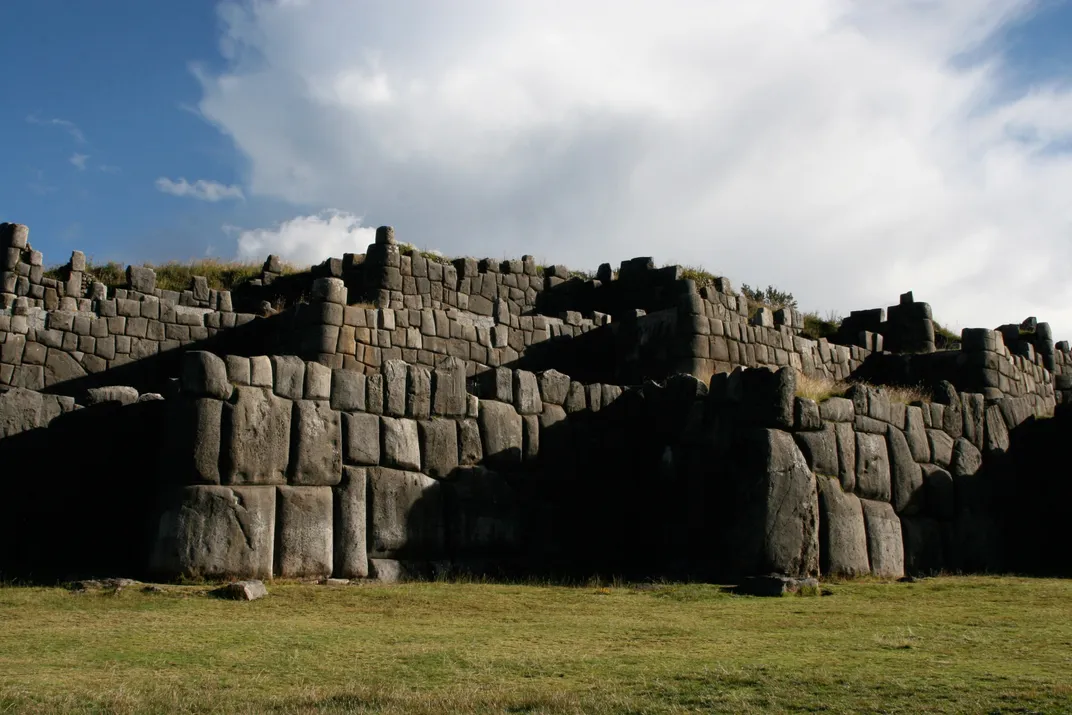
The geological composition of the site reveals a profound relationship between the Inca and their environment. The primary material used in the construction of the lower, most mᴀssive ramparts is limestone, sourced from local quarries such as Rodadero located nearby. However, for specific ceremonial or structural reinforcements, the Inca also transported andesite and diorite—dense, volcanic rocks—from distances of up to 20 to 35 kilometers away. The sheer scale of the blocks is staggering, with the largest stone in the first tier estimated to weigh over 120 metric tons and standing over 9 meters tall. These stones were not carved into uniform bricks but were instead shaped into complex, polygonal forms that interlock like a three-dimensional jigsaw puzzle. The absence of mortar is a deliberate engineering choice; in an area prone to high seismic activity, these “dancing” walls allow the stones to shift slightly during an earthquake and settle back into place, preventing the structural collapse that often befell later colonial Spanish buildings.

The craftsmanship involved in shaping these mᴀssive blocks remains a subject of intense archaeological debate and study. Contemporary research suggests that the Inca utilized a “trial and error” scribing technique, where the stones were likely shaped using hemaтιтe hammers and harder stone tools to gradually wear down the surfaces. By creating “protuberances” or handles on the faces of the stones (visible as small bumps on many blocks), laborers could use ropes and wooden levers to hoist and position the stones for fitting. The final, seamless joints were achieved through abrasion with sand and water, polishing the contact surfaces until they reached a state of near-perfect friction. This process required a staggering amount of human capital, with colonial chroniclers like Garcilaso de la Vega estimating that over 20,000 men worked on the site in rotating shifts under the mit’a system, a form of mandatory public service that was the backbone of Inca infrastructure projects.
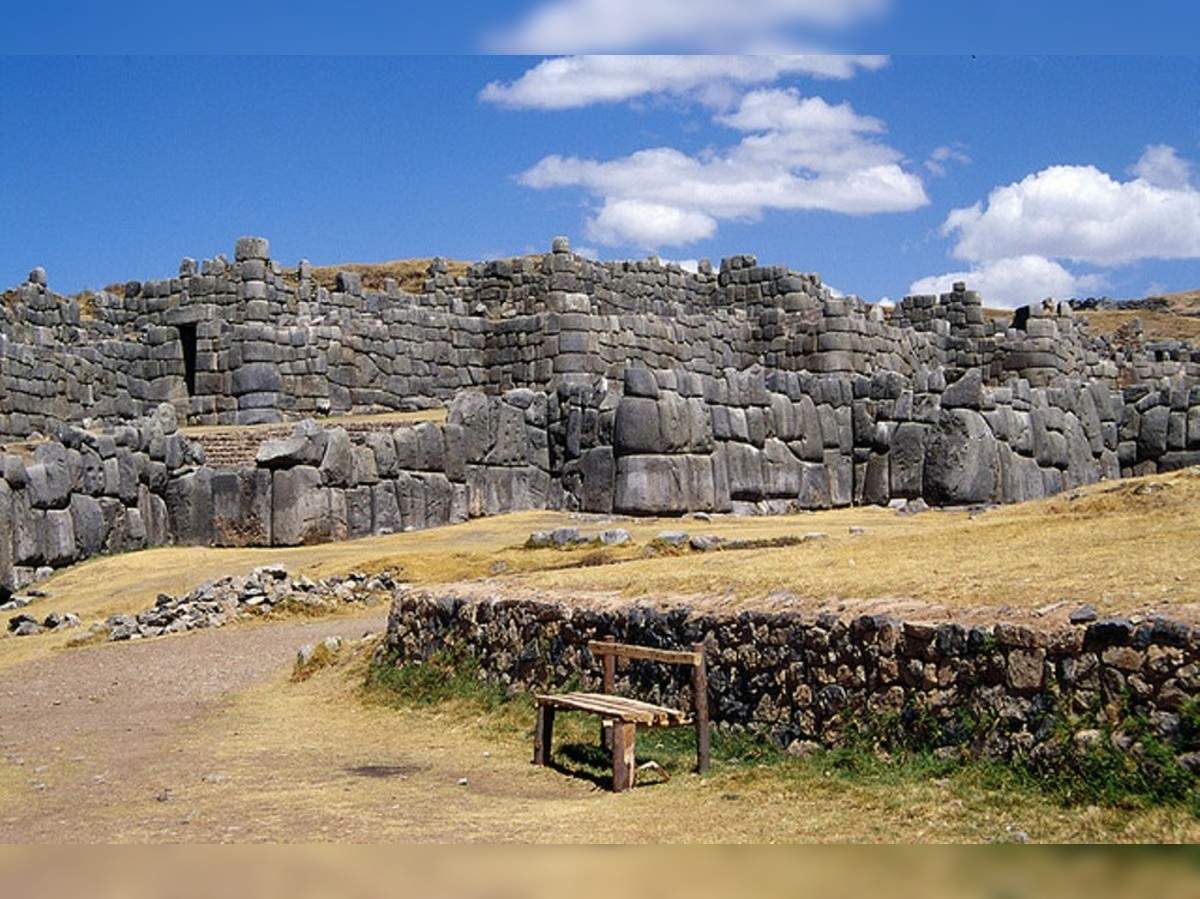
While often described by Spanish chroniclers as a “fortress” due to its zig-zagging ramparts and commanding view over Cusco, modern archaeology suggests Sacsayhuamán served a much more complex, multifunctional role. The site was likely a Sacred Precinct or a “House of the Sun,” serving as a mᴀssive ceremonial center and a storehouse (qollqa) for weapons, textiles, and precious metals. The zig-zag shape of the walls is believed by many scholars to represent the teeth of a puma (as Cusco was laid out in the shape of a feline) or to symbolize Illapa, the god of lightning and thunder. Its strategic location allowed it to function as a citadel during the Siege of Cusco in 1536, where Manco Inca’s forces nearly reclaimed the city from the Spanish conquistadors, but its primary purpose remained spiritual and administrative, acting as a bridge between the earthly city and the celestial realm.
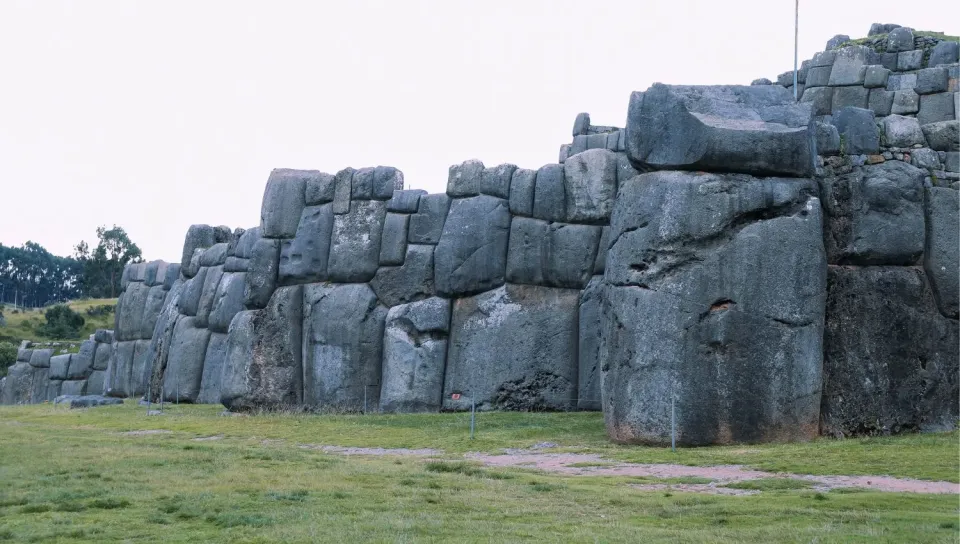
The rediscovery and preservation of Sacsayhuamán have been an ongoing effort since the colonial era, though much of its upper structure was unfortunately dismantled by the Spanish to build the cathedrals and administrative buildings of Cusco. Serious archaeological investigation began in the early 20th century, with significant excavations led by Luis Valcárcel in 1934 to celebrate the fourth centenary of the city. Since then, the Insтιтuto Nacional de Cultura (now the Ministry of Culture of Peru) has overseen the site, conducting extensive restorations and clearing debris to reveal the sophisticated drainage systems and underground galleries that permeate the hill. Today, Sacsayhuamán stands as a UNESCO World Heritage site, continuing to offer fresh insights into the “lost” technologies of the Inca and serving as the primary stage for the annual Inti Raymi (Festival of the Sun), where the enduring legacy of Andean lithic mastery is celebrated by thousands of descendants of its original creators.
✓ Team
The monumental structures of Sacsayhuamán, located on the outskirts of Cusco, Peru, represent the pinnacle of Inca stonework and one of the most sophisticated examples of megalithic…