The Lithic Precision of Cusco: An Archaeological Study of Incan Polygonal Masonry
The intricate stone configuration depicted in the image represents a hallmark of the Incan Empire, which flourished in the Andean highlands during the 15th and early 16th centuries. This specific style, often ᴀssociated with the construction of elite centers like the Qorikancha or Sacsayhuamán in Cusco, Peru, dates to the height of Incan power, particularly under the reign of the Sapa Inca Pachacuti (c. 1438–1471 CE). These walls are archaeological marvels, demonstrating a level of structural sophistication that allowed the Inca to create enduring, earthquake-resistant monumental architecture without the use of mortar, iron tools, or modern machinery.
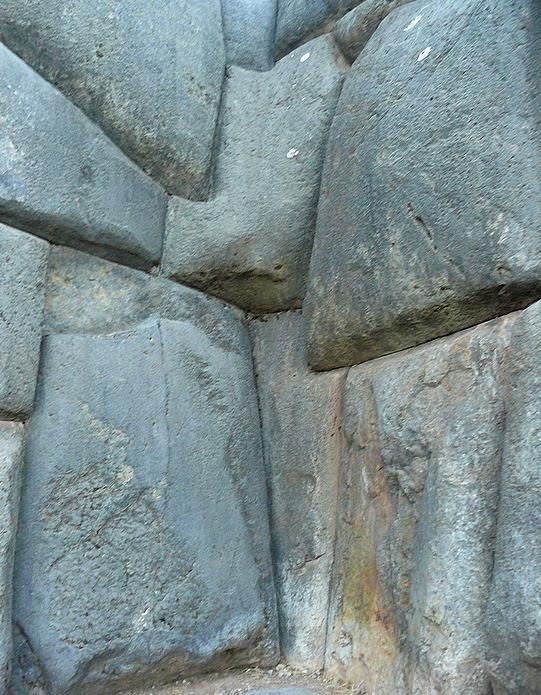
The site of these mᴀssive, multi-faceted stone blocks is the heart of the historic Incan capital, Cusco. The material utilized for this type of high-status masonry is primarily andesite or diorite, both dense and hard volcanic rocks that the Incan engineers selected for their durability and capacity to be polished to a fine finish. The geological origin of these materials was often several kilometers away, necessitating a mᴀssive labor force to transport the multi-ton boulders across rugged Andean terrain before they were meticulously shaped to fit their final positions.
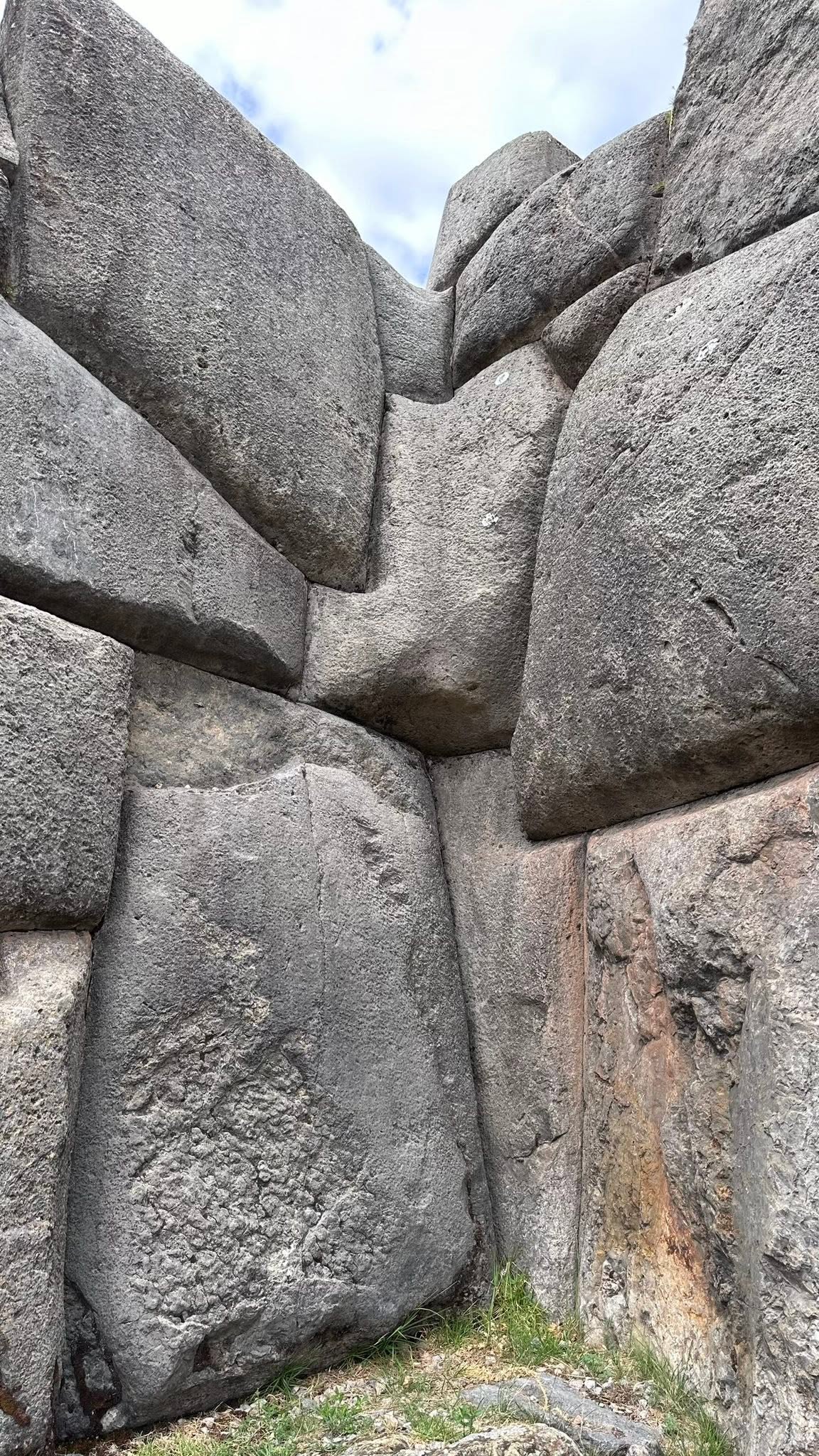
The fabrication technique remains a subject of intense academic study, as the blocks exhibit an extraordinary level of precision, with joints so тιԍнт that they are often described as being impenetrable to a knife blade. Lacking metal tools hard enough to easily cut such stone, Incan builders likely employed a method involving constant trial-and-error, using harder stone hammerstones and abrasive sands to grind the edges of each block until it conformed perfectly to its neighbor. This polygonal masonry style, where blocks have varying numbers of sides and angles, creates an interlocking structural matrix that is exceptionally resilient to seismic stress, as the stones can shift slightly during tremors and settle back into place.

Beyond their functional role as load-bearing foundations for palaces and temples, these walls held deep symbolic significance for the Inca. In their cosmology, stone was considered a living substance, and the ability to tame, shape, and perfectly ᴀssemble such mᴀssive boulders served as a physical manifestation of the emperor’s divine authority and the order imposed by the Inca state upon the chaotic natural world. The imposing, unadorned surfaces of the stones emphasize a ritual aesthetic of permanence and strength, reinforcing the sacred nature of the spaces they enclosed, such as the Temple of the Sun.
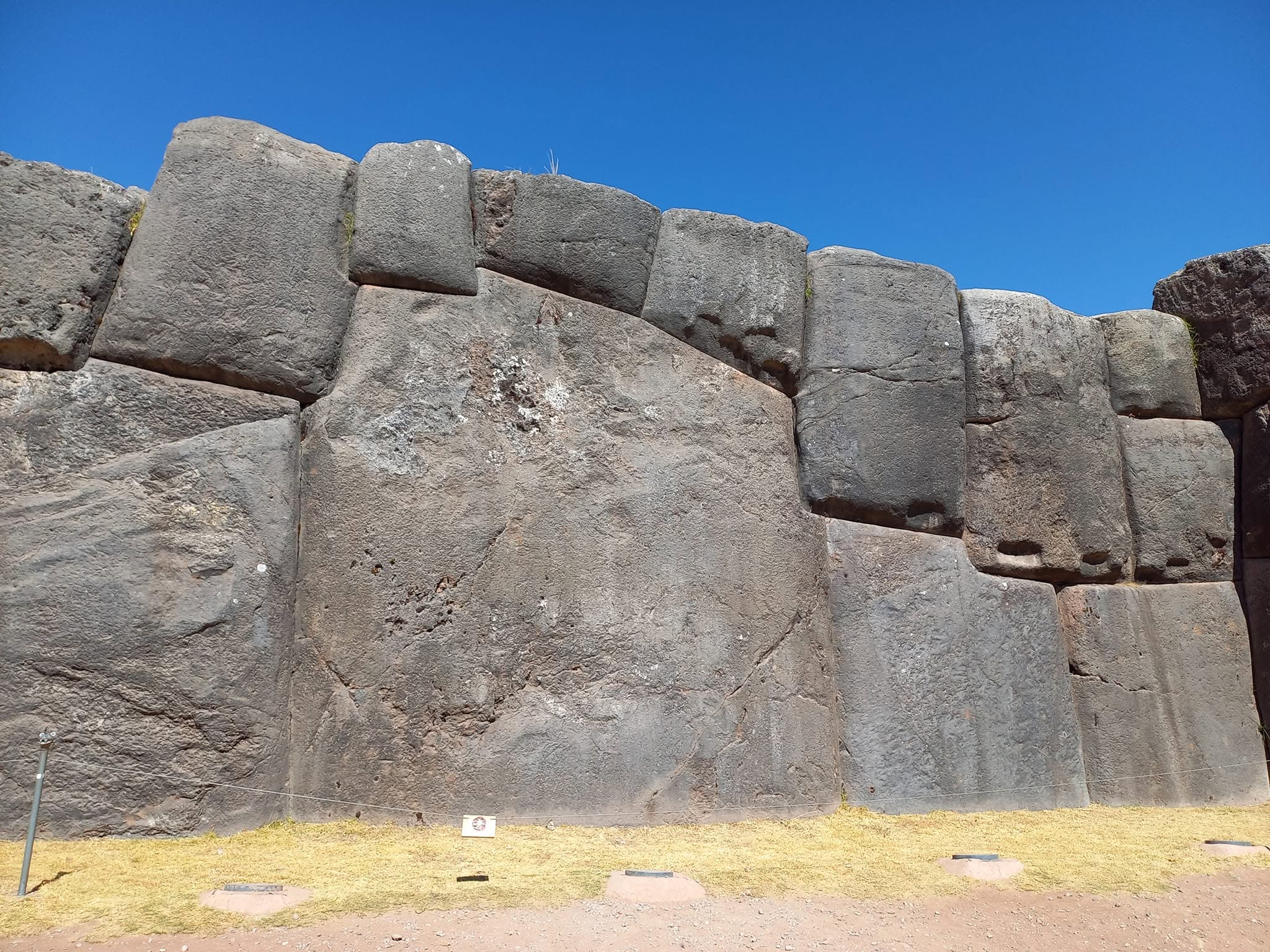
While these structures have been observed and documented since the Spanish conquest, their formal archaeological investigation has been ongoing since the early 20th century, with significant contributions from scholars like John H. Rowe and regional insтιтutions in Cusco dedicated to heritage preservation. Modern archaeologists have used 3D laser scanning and geotechnical surveys to better understand the foundations, revealing that the brilliance of Incan engineering extends far beneath the visible surface. Today, the walls of Cusco remain a UNESCO World Heritage site, providing a permanent, tangible record of the technological mastery achieved by the Incan civilization before its sudden collapse.
✓ hoangduc
The intricate stone configuration depicted in the image represents a hallmark of the Incan Empire, which flourished in the Andean highlands during the 15th and early 16th…