The Lithic Precision of the Inca: Analyzing the Megalithic Masonry of Cusco
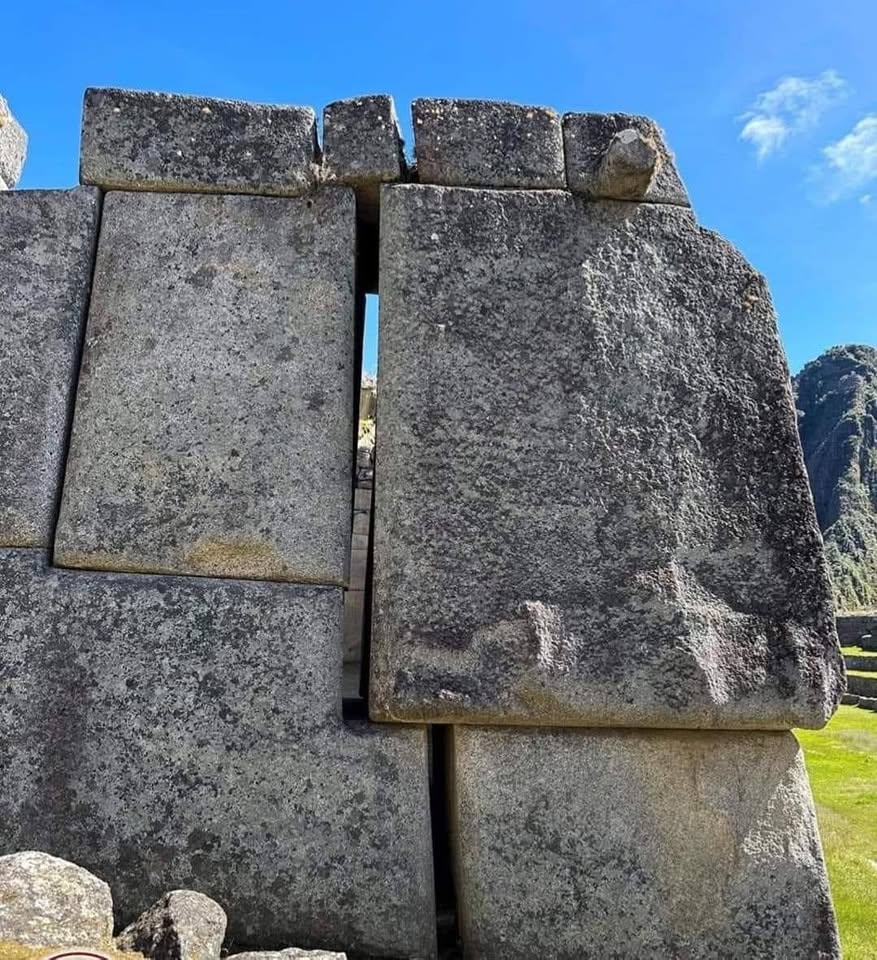
The architectural feature depicted represents the pinnacle of Incan engineering, specifically the dry-stone masonry technique known as ashlar, where mᴀssive blocks of stone are fitted together with such precision that no mortar is required. Dating primarily to the 15th and early 16th centuries, these structures are hallmarks of the Inca Empire at its height, particularly within the sacred capital of Cusco and the fortress of Sacsayhuamán, Peru. This method of construction, which transformed the rugged Andean landscape into structured, defensible, and aesthetically harmonious urban environments, remains a testament to the sophisticated engineering knowledge developed by the Inca civilization before the Spanish conquest.
Regarding the material and the intricate fabrication process, the stones utilized—typically andesite or diorite—were sourced from quarries often located kilometers away from the construction sites. The process of fashioning these megaliths involved the use of harder stone tools, such as hemaтιтe pounders and bronze chisels, to grind and shape each block so that its contours perfectly matched the adjacent stones. The joints are so тιԍнт that even a thin blade cannot pᴀss between them, a result achieved through laborious grinding and trial-and-error fitting. This technique not only provided superior structural stability in a seismically active region but also showcased the Inca elite’s ability to command and organize the immense labor forces necessary to manipulate such mᴀssive materials.

The meaning and utility of these structures were profound, serving as the physical foundation for the power of the Sapa Inca. The precision of the masonry was intended to reflect divine order and harmony, mirroring the Inca belief in the sacredness of the landscape (huacas). By creating structures that appeared to have been “grown” from the earth rather than merely built upon it, the Inca legitimized their rule and demonstrated their mastery over the natural world. These walls served as the base for royal palaces, administrative complexes, and temples, functioning as both practical fortifications and as enduring, symbolic manifestations of the imperial ideology that bound the diverse peoples of the Andes together.
The identification and systematic study of these architectural marvels have been central to the field of Andean archaeology since the early 20th century. Pioneers such as Hiram Bingham, who famously brought international attention to the broader Incan landscape in 1911, and subsequent generations of Peruvian and international archaeologists, have worked to document the engineering techniques and the social organization behind these monumental projects. By analyzing the stratigraphic context and the relationship between these walls and the surrounding urban layout, modern researchers have been able to reconstruct the administrative and ceremonial functions of these sites, moving beyond the romanticized interpretations of early explorers to a grounded understanding of Incan technology.
In conclusion, the masonry showcased remains an iconic symbol of Incan ingenuity and a subject of ongoing academic fascination. Its enduring presence in the high-alтιтude climate of the Andes serves as a reminder of the civilization’s ability to achieve remarkable feats of engineering through organization, patience, and a deep understanding of geological properties. As contemporary archaeology continues to apply modern digital mapping and structural analysis to these sites, we gain ever-clearer insights into how the Inca built their empire in stone. These walls, once the seat of imperial power, continue to stand today as a monumental legacy, offering researchers and the public alike a tangible connection to the sophisticated cultural and technical achievements of the ancient Andean world.
✓ hoangduc
The architectural feature depicted represents the pinnacle of Incan engineering, specifically the dry-stone masonry technique known as ashlar, where mᴀssive blocks of stone are fitted together with such…