The Terracotta Pipeline: Unearthing Ancient Subterranean Water Management Systems

In the expanding landscape of archaeological discoveries, infrastructural networks often reveal more about the complex organizational skills of ancient societies than monumental temples or palaces do. Among these remarkable structural finds are ancient ceramic drainage systems and interconnected water conveyance pipelines, such as those unearthed in early urban excavations across Asia and the Middle East. Dating back thousands of years—ranging from the Neolithic Longshan period (circa 2000 BCE) to later dynastic eras—these sophisticated networks demonstrate a high level of municipal planning. Far from being primitive settlements, these sites showcase how ancient populations successfully engineered large-scale public utilities to manage stormwater, prevent seasonal flooding, and maintain sanitary living conditions long before the advent of modern plumbing.
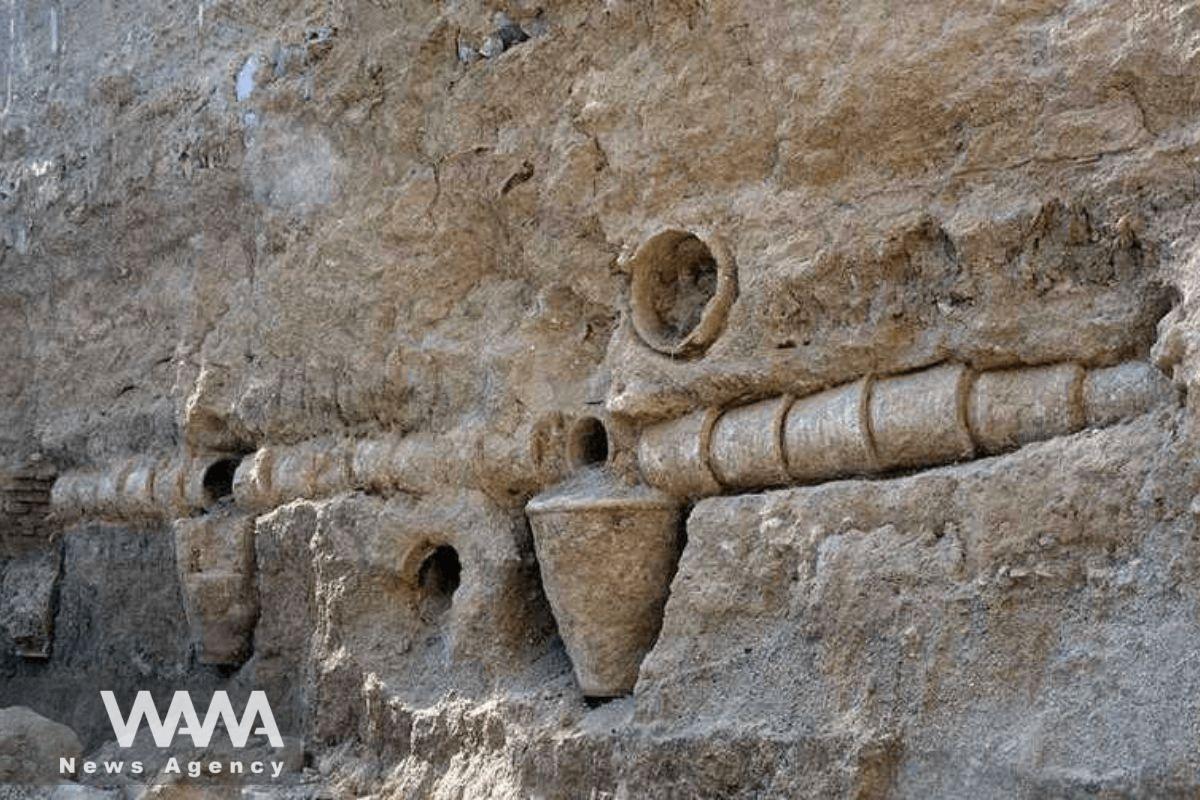
The discovery sites of these earthenware pipeline networks are typically located within ancient walled settlements, administrative complexes, and royal foundations, often unearthed deep within stratified layers of rammed-earth platforms. The primary material utilized for these systems is high-durability terracotta or coarse-tempered pottery clay, chosen for its structural stability and resistance to underground degradation. The manufacturing and crafting details are particularly ingenious; individual pipe segments were shaped with alternating tapered ends—one wide and one narrow—allowing them to fit snugly into one another sequentially. This overlapping design created a continuous, sealed conduit that could transport wastewater or rainwater smoothly across long distances while accommodating minor shifts in the surrounding soil.
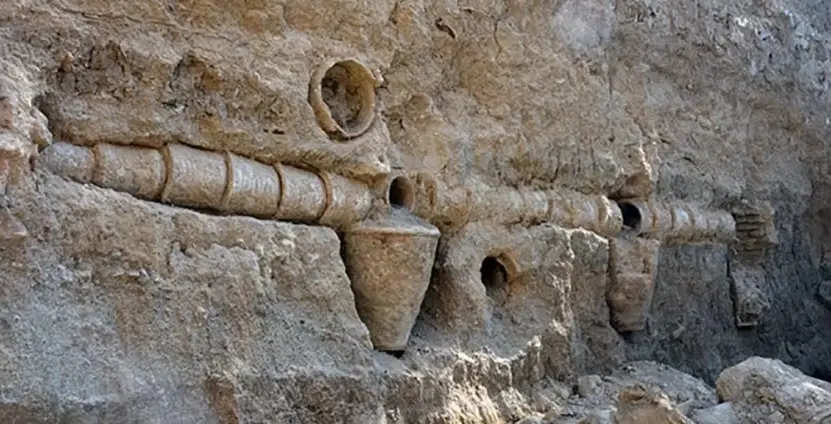
The functional significance and utility of these ceramic pipelines centered primarily on urban drainage, stormwater management, and public health preservation. In regions subjected to heavy seasonal monsoon rains or arid flash floods, controlling water accumulation was a matter of community survival, preventing structural erosion and waterborne diseases. By laying these interlocking terracotta tubes alongside roads, paths, and building foundations, ancient communities directed excess runoff away from living quarters and into central drainage ditches or collection basins. The presence of such intricate water infrastructure highlights an advanced collective understanding of hydro-engineering and public sanitation in antiquity.
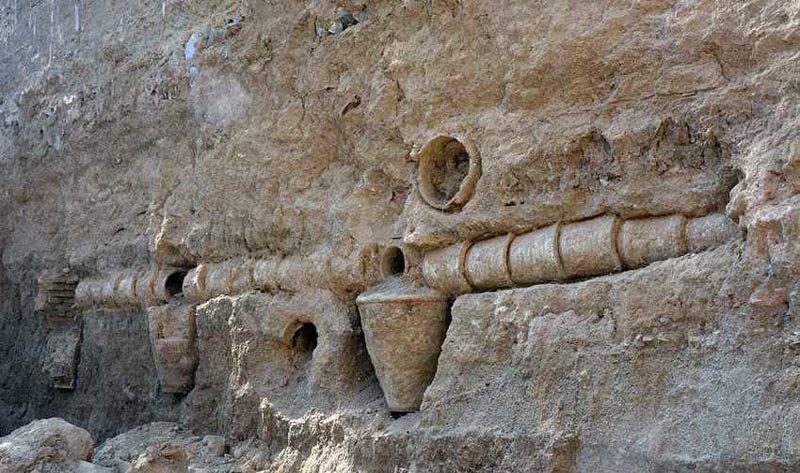
The systematic excavation, unearthing, and documentation of these ancient drainage features are typically led by insтιтutional archaeological teams, university researchers, and cultural heritage preservation bureaus. Prominent archaeological projects—such as those conducted by international academic groups and regional insтιтutes of archaeology—have meticulously mapped these segmented terracotta networks to study ancient human adaptation and urban growth. Through careful stratigraphic analysis and modern residue testing, these specialists continue to shed light on how early communities cooperated to build complex, sustainable infrastructure. Ultimately, these humble clay pipes stand as enduring testaments to the sophisticated engineering capabilities and civic coordination of our ancestors.
✓ hoangduc
In the expanding landscape of archaeological discoveries, infrastructural networks often reveal more about the complex organizational skills of ancient societies than monumental temples or palaces do. Among…