The Vertical Empire: Archaeological Insights into the Terraces of Ollantaytambo
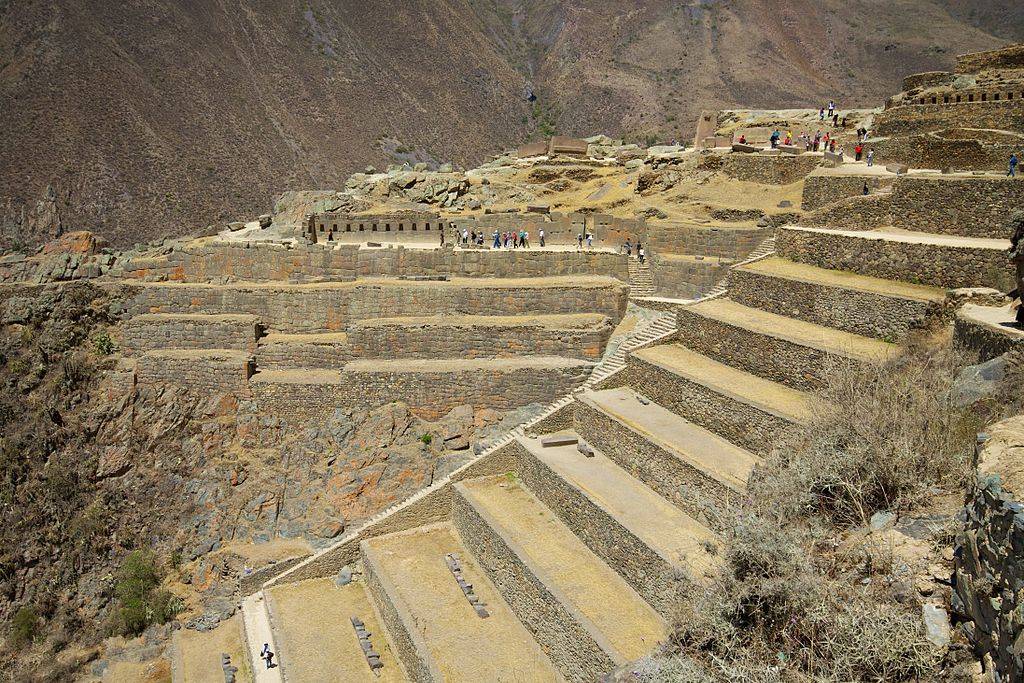
The monumental archaeological complex depicted in the image is the agricultural and ceremonial fortress of Ollantaytambo, situated in the Sacred Valley of the Incas in southern Peru. These structures date back to the Late Horizon period (c. 1440–1533 CE), primarily commissioned by the Sapa Inca Pachacuti, who conquered the region and rebuilt the town as a royal estate and a strategic military outpost. Ollantaytambo represents a peak in Inca urban planning and hydraulic engineering, serving as a chronological marker for the empire’s rapid expansion and its sophisticated ability to terraform the rugged Andean topography. This site also gained historical prominence as the stronghold for Manco Inca Yupanqui during the Spanish conquest, marking one of the few locations where the Inca successfully repelled a European cavalry charge.
While Ollantaytambo has been inhabited continuously since the 15th century, its formal “archaeological discovery” in the modern scientific sense began with the surveys of the Archaeological Survey of Peru and explorers such as Hiram Bingham in the early 20th century. However, systematic stratigraphic excavations and restoration efforts have been led by the Ministerio de Cultura del Perú (formerly the Insтιтuto Nacional de Cultura). In the late 20th century, archaeologists such as Jean-Pierre Protzen conducted groundbreaking research into the site’s stoneworking techniques. Today, Ollantaytambo is managed as a high-priority cultural heritage site, with ongoing excavations focusing on the “Temple Hill” and the complex network of subterranean water channels that still function after half a millennium.
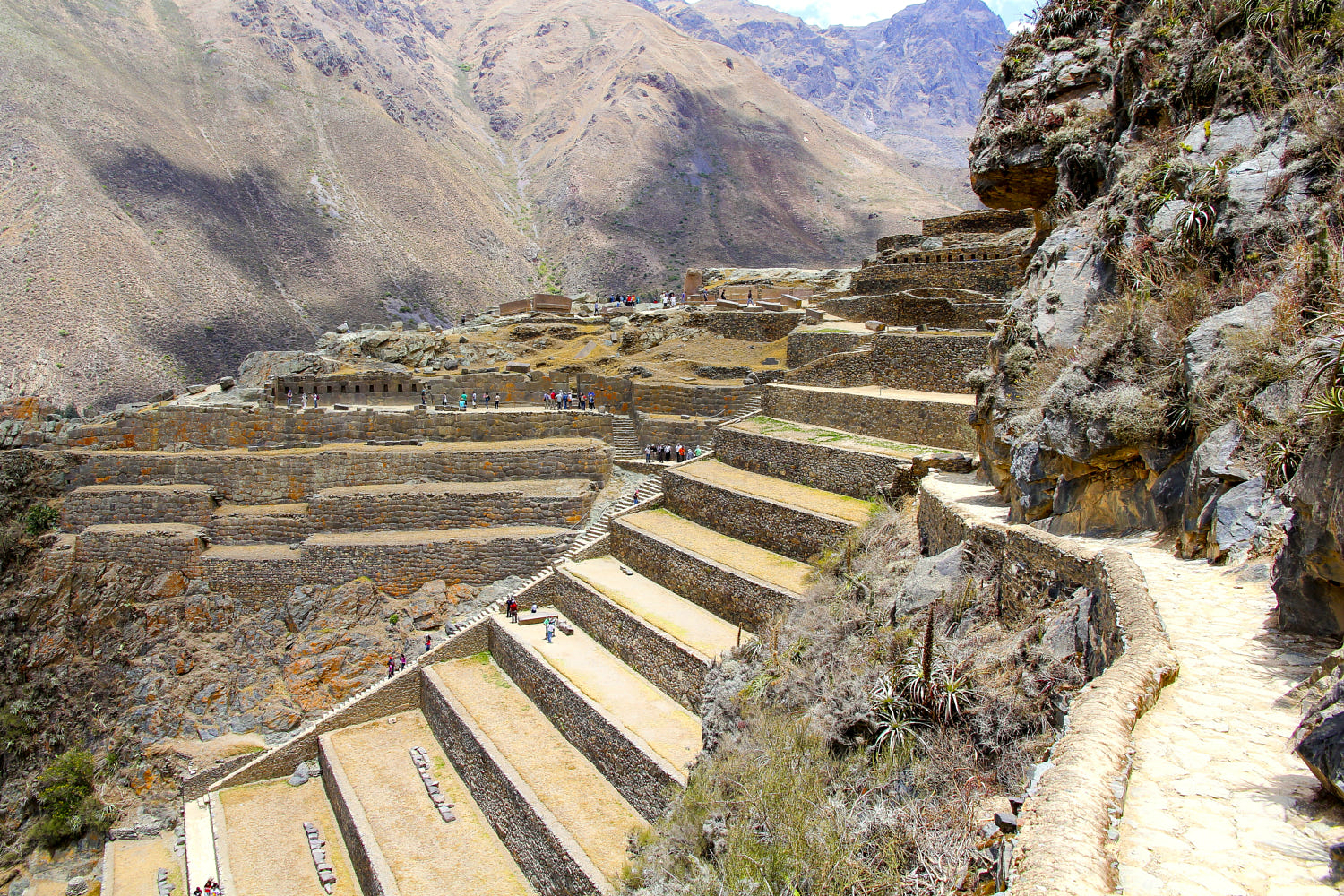
The primary material used in the construction of these mᴀssive terraces and temples is pink granite and rhyolite, sourced from the Kachiqhata quarry, located approximately 5 kilometers away and 800 meters above the valley floor. The craftsmanship is a testament to the Inca mastery of lithic logistics and seismic engineering. The terraces are built with a core of packed earth and gravel, faced with precisely cut dry-stone walls. A hallmark of Inca masonry seen at the higher ceremonial levels of the site is ashlar joinery, where stones are fitted so тιԍнтly without mortar that a knife blade cannot be inserted between them. The terraces themselves are engineered with a slight inward lean to withstand the region’s frequent earthquakes, utilizing a “living wall” philosophy that integrates the structure into the natural mountain slope.
In terms of utility, these terraces (andenes) served a multi-purpose role as agricultural laboratories and structural stabilization. Economically, they allowed the Inca to create microclimates at different alтιтudes, facilitating the cultivation of varied crops like maize and quinoa that would not normally thrive in high-mountain environments. Structurally, the terraces prevent soil erosion and landslides on the steep Andean cliffs, protecting the ceremonial heart of the city above. Beyond their physical utility, the terraces held deep symbolic meaning; they represented the Inca’s divine ability to impose order (Ma’at-like harmony) upon the chaotic natural world. The rhythmic, ascending lines of the walls served as a visual manifestation of the social hierarchy, leading the eye upward to the Sun Temple, where the elite performed solar observations.

The legacy of Ollantaytambo is its status as a masterclass in Andean paleohydrology and sustainable engineering. For modern archaeologists, the site provides critical data on how ancient civilizations managed water runoff and soil fertility in extreme environments—knowledge that is increasingly relevant in the context of modern climate change. Today, Ollantaytambo is a UNESCO-protected site and a vital part of the Sacred Valley’s cultural landscape. Preservation efforts focus on managing “over-tourism” and mitigating the impact of vibrations from the nearby railway to Machu Picchu. The site remains a powerful, vertical testament to a civilization that did not merely live among the mountains but transformed the very bones of the earth into a productive, sacred, and indestructible garden.
✓ Team
The monumental archaeological complex depicted in the image is the agricultural and ceremonial fortress of Ollantaytambo, situated in the Sacred Valley of the Incas in southern Peru….