The Vessel of the Mud: Maritime Archaeology in the Vistula Delta
From a maritime archaeological perspective, the discovery of this wooden vessel represents a significant “in situ” preservation of post-medieval naval architecture. Located on the Vistula Spit during the construction of a new shipping canal, the artifact was found embedded within several meters of anaerobic peat and silt. This specific geological environment—saturated and oxygen-depleted—is ideal for the preservation of organic materials that would otherwise decay. The stratigraphy of the site suggests that the ship was either wrecked during a storm or intentionally scuttled in a shallow coastal lagoon that eventually silted up, effectively “sealing” the ship’s hull beneath layers of sediment for over two centuries.

The materiality of this “artifact” consists primarily of seasoned oak and pine, typical of Baltic shipbuilding traditions. The craftsmanship displays a transition from medieval techniques to early industrial engineering. The hull utilizes a “clinker” construction (lapstrake), where the wooden planks overlap and are fastened with iron rivets. This method provided the vessel with flexibility and strength, allowing it to navigate the choppy, shallow waters of the Baltic coast. Microscopic analysis of the timber reveals that the planks were hand-hewn with broadaxes rather than sawn, indicating a high level of traditional carpentry practiced by regional shipwrights.
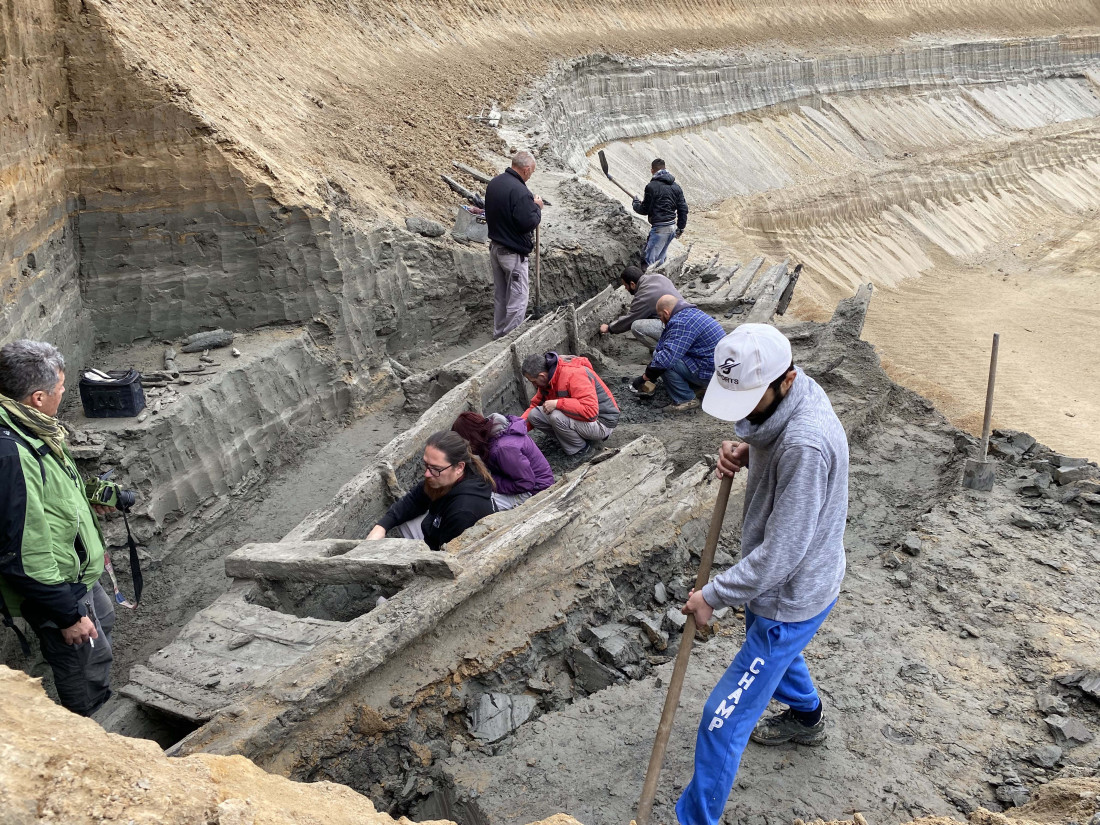
The morphology of the find is characterized by a flat-bottomed hull design, approximately 12 to 15 meters in length. This “barge-like” shape was specifically engineered for transporting heavy cargo through inland waterways and shallow estuaries. The aerial view reveals the internal ribbing (frames) and the longitudinal stringers that provided the ship with its structural skeleton. Despite the immense weight of the overlying sediment, the hull has maintained its curvature, a testament to the resilience of the oak timbers and the precision of the joinery. The “open” deck structure seen in the excavation suggests it was a merchant vessel designed for maximum volume rather than a high-speed naval craft.
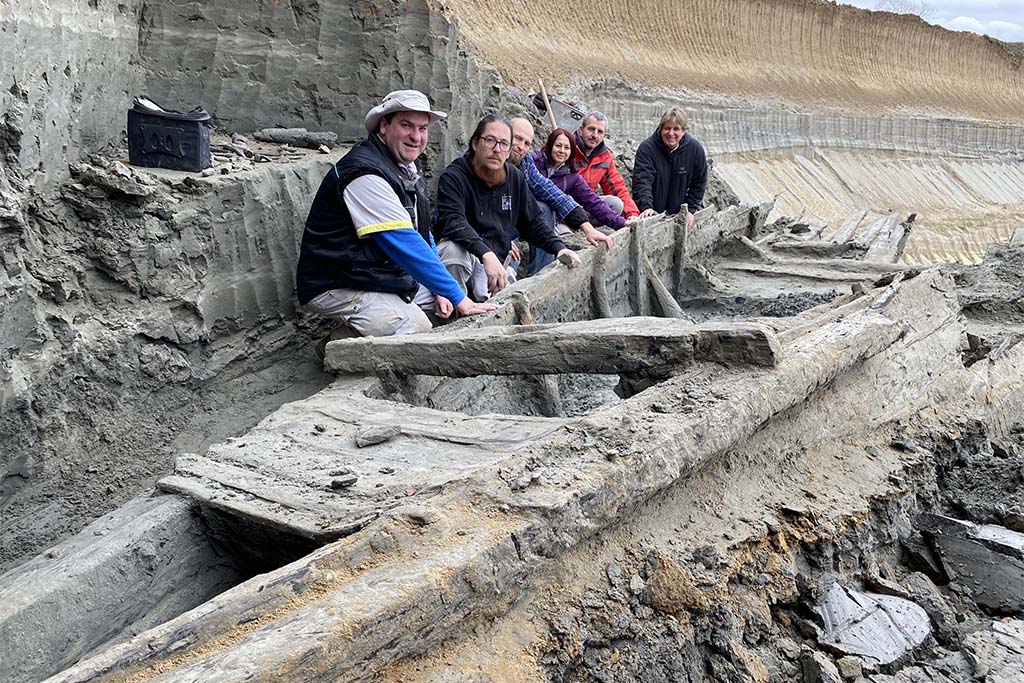
The primary function of this vessel was economic: it served as a “workhorse” for the Baltic grain and timber trade. In the 18th and 19th centuries, the Vistula River was the main artery for the Polish economy, transporting resources from the interior to the port of Gdańsk. This specific ship likely carried salt, grain, or building materials between coastal settlements. To an archaeologist, the “utility” of the find lies in its ability to reveal the daily lives of sailors and the logistics of regional trade. The absence of heavy armaments confirms its civilian status, marking it as an essential piece of infrastructure in the development of Northern European maritime commerce.
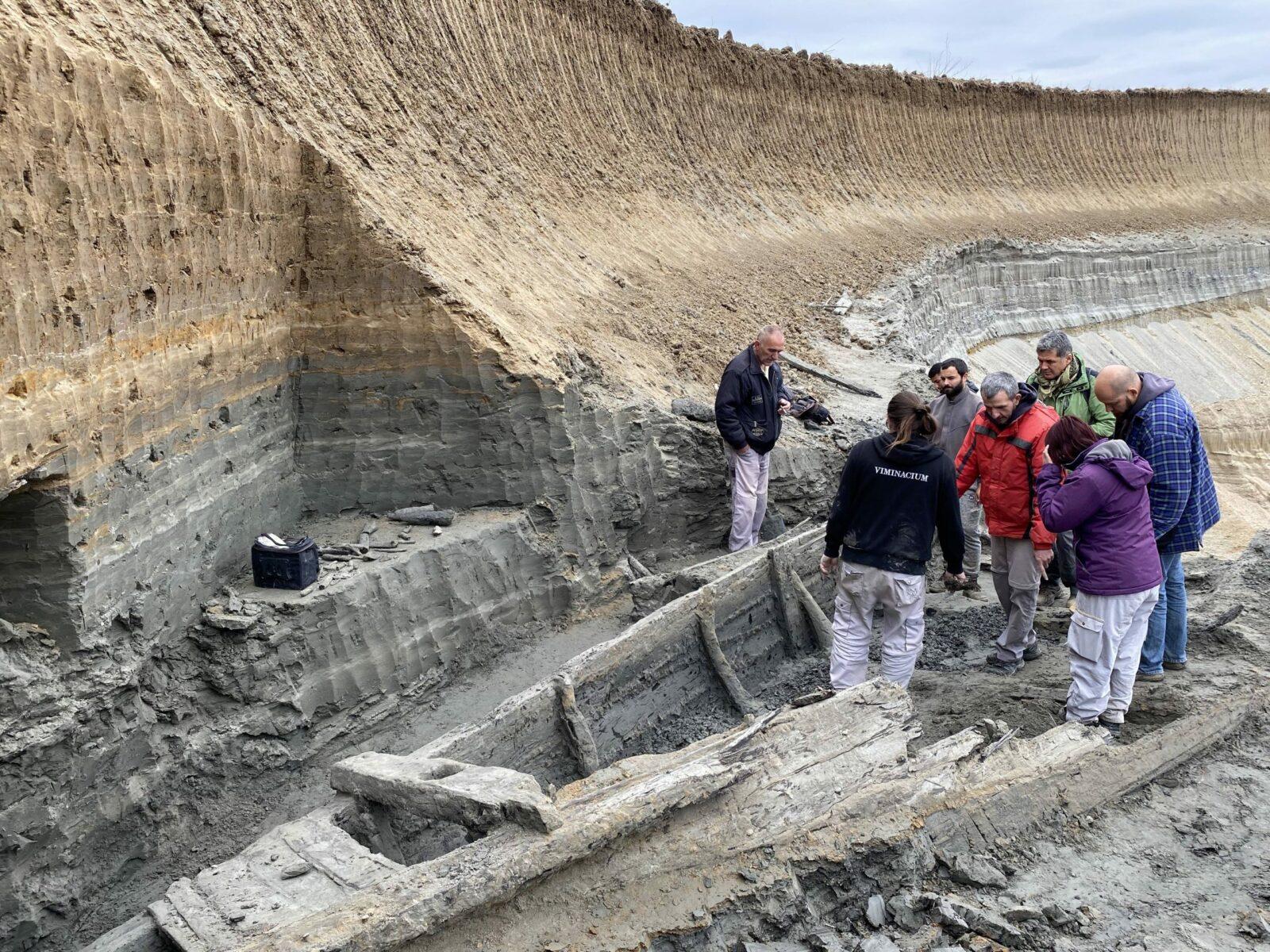
The excavation was organized and overseen by the National Maritime Museum in Gdańsk (NMM) in collaboration with the engineering teams of the Vistula Spit canal project. Lead archaeologists, including experts in wood conservation, utilized pH๏τogrammetry and 3D scanning to map the vessel before its “exhumation.” Because waterlogged wood shrinks and disintegrates rapidly when exposed to air, the NMM team implemented a strict stabilization protocol, keeping the timbers saturated until they could be transported to a specialized laboratory for PEG (polyethylene glycol) treatment. This insтιтutional effort ensures that the ship remains a vital educational resource, illustrating the complex relationship between human industry and the shifting sands of the Polish coastline.
✓ hoangduc
From a maritime archaeological perspective, the discovery of this wooden vessel represents a significant “in situ” preservation of post-medieval naval architecture. Located on the Vistula Spit during…