The Windover Bog Bodies: Preserving 8,000 Years of Human History
The Windover Bog site, located in Brevard County, Florida, represents one of the most significant archaeological discoveries in North America. Dating back approximately 8,000 years to the Early Archaic period, the site consists of a pond-based burial ground where 168 individuals were interred. The unique anaerobic, or oxygen-free, environment of the Windover Pond acted as a natural preservative, safeguarding the skeletal remains and, remarkably, the preserved brain tissue of many of these ancient inhabitants. This exceptional state of preservation has allowed modern researchers to study not only the physical anthropology of the individuals but also their diet, health, and social practices with unprecedented clarity.
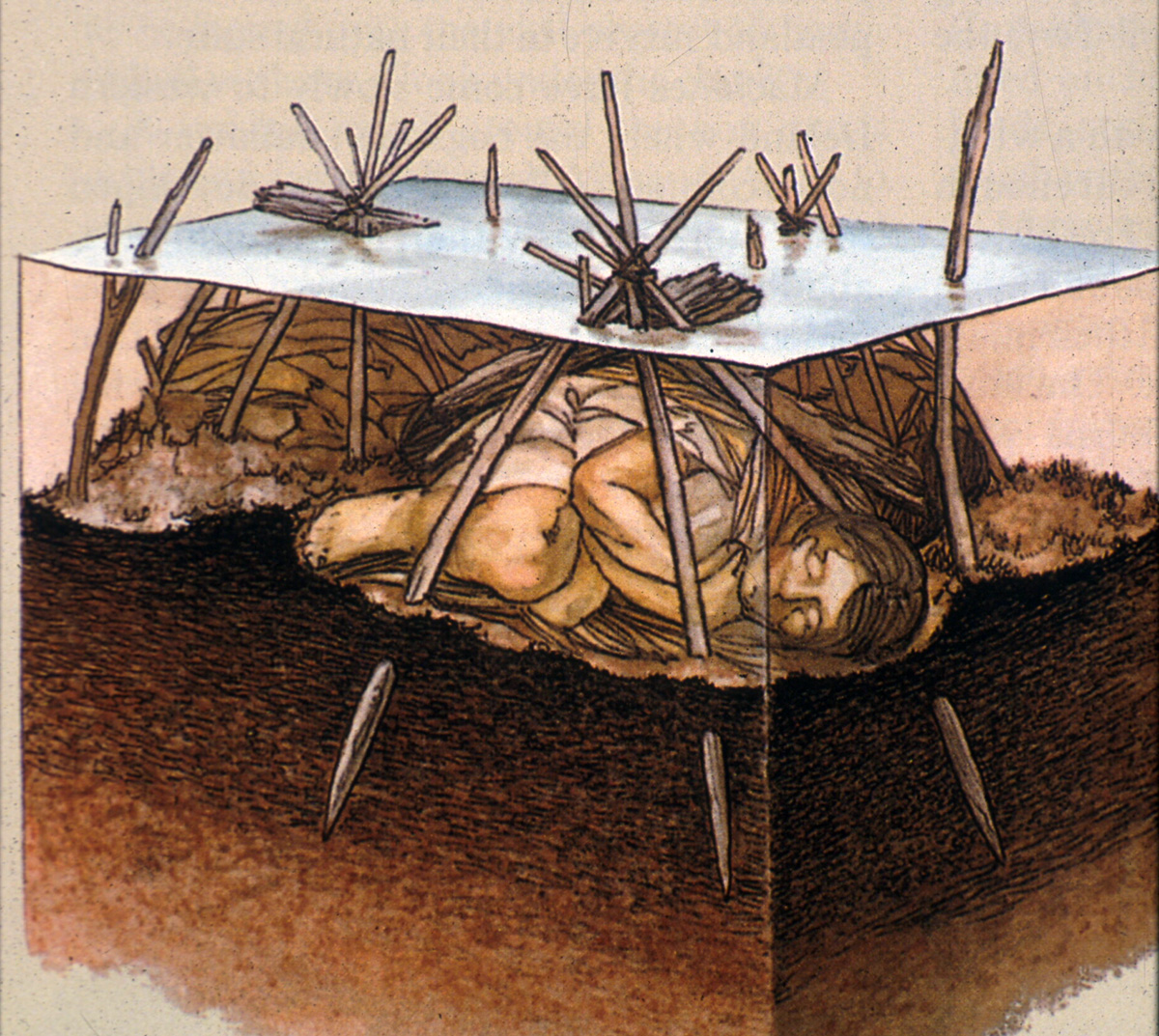
Unlike conventional burials that might involve elaborate stone or ceramic artifacts, the interments at Windover were distinguished by the use of organic materials for grave offerings and burial coverings. Each body was carefully prepared and placed in the peat at the bottom of the pond, often wrapped in sophisticated textiles crafted from local plant fibers. The burial process involved pinning these woven fabrics in place using wooden stakes, a technique that ensured the remains stayed submerged in the protective, low-oxygen environment of the bog. These grave goods, including finely made fabrics and wooden tools, provide critical insights into the technological capabilities and artistic expressions of Archaic period hunter-gatherer societies.
The primary significance of the Windover Bog site is its contribution to our understanding of the social and health-related lives of early human populations in Florida. Analysis of the skeletal remains has revealed that these individuals lived in a stable community, with evidence of care for the elderly and those with disabilities, suggesting a strong social fabric. Furthermore, the examination of coprolites and organic material found with the burials has allowed scientists to reconstruct the ancient diet, providing a detailed snapsH๏τ of how these people interacted with the diverse ecosystems of the Florida peninsula. The site acts as a temporal bridge, offering a rare, intimate look at the daily lives and communal values of a society that thrived millennia ago.
The site was discovered in 1982 during routine construction work when workers realized that the peat they were excavating contained human bones. Following this discovery, a team of archaeologists from Florida State University led a comprehensive excavation project to recover and document the remains. This rescue archaeology operation was vital, as it prevented the potential destruction of the site and allowed for the scientific retrieval of the fragile organic materials. The collaborative efforts of these researchers and local organizations ensured that the Windover finds were preserved for long-term study, setting a high standard for how delicate archaeological sites are handled and documented in the modern era.
In conclusion, the Windover Bog site remains a landmark in the study of early North American human history. Its contribution to archaeological and bioanthropological knowledge is immeasurable, as it challenges previous ᴀssumptions about the technological and social limitations of Archaic period populations. As research continues to analyze the vast wealth of data recovered from these burials, the site serves as a vital reminder of the complexity of the human story preserved beneath the surface. Through the dedication of those who discovered and preserved it, the people of Windover offer a unique and enduring perspective on our shared human past.
✓ hoangduc
The Windover Bog site, located in Brevard County, Florida, represents one of the most significant archaeological discoveries in North America. Dating back approximately 8,000 years to the…