Unraveling the Mastery of Incan Engineering: The Iconic Twelve-Angled Stone of Cusco

Dating back to the late pre-Columbian period around the late 14th or early 15th century, the Twelve-Angled Stone stands as a preeminent masterpiece of Incan architecture and dry-stone masonry. This extraordinary monolithic block is an integral structural component of a historical retaining wall located in the heart of the Andean highlands. Rather than serving as a portable museum artifact, the stone has remained preserved in its original architectural context for centuries, continually capturing the fascination of historians, engineers, and visitors from around the globe. Its enduring presence offers a direct window into the monumental building campaigns that characterized the height of the imperial Inca state under early dynastic rulers.
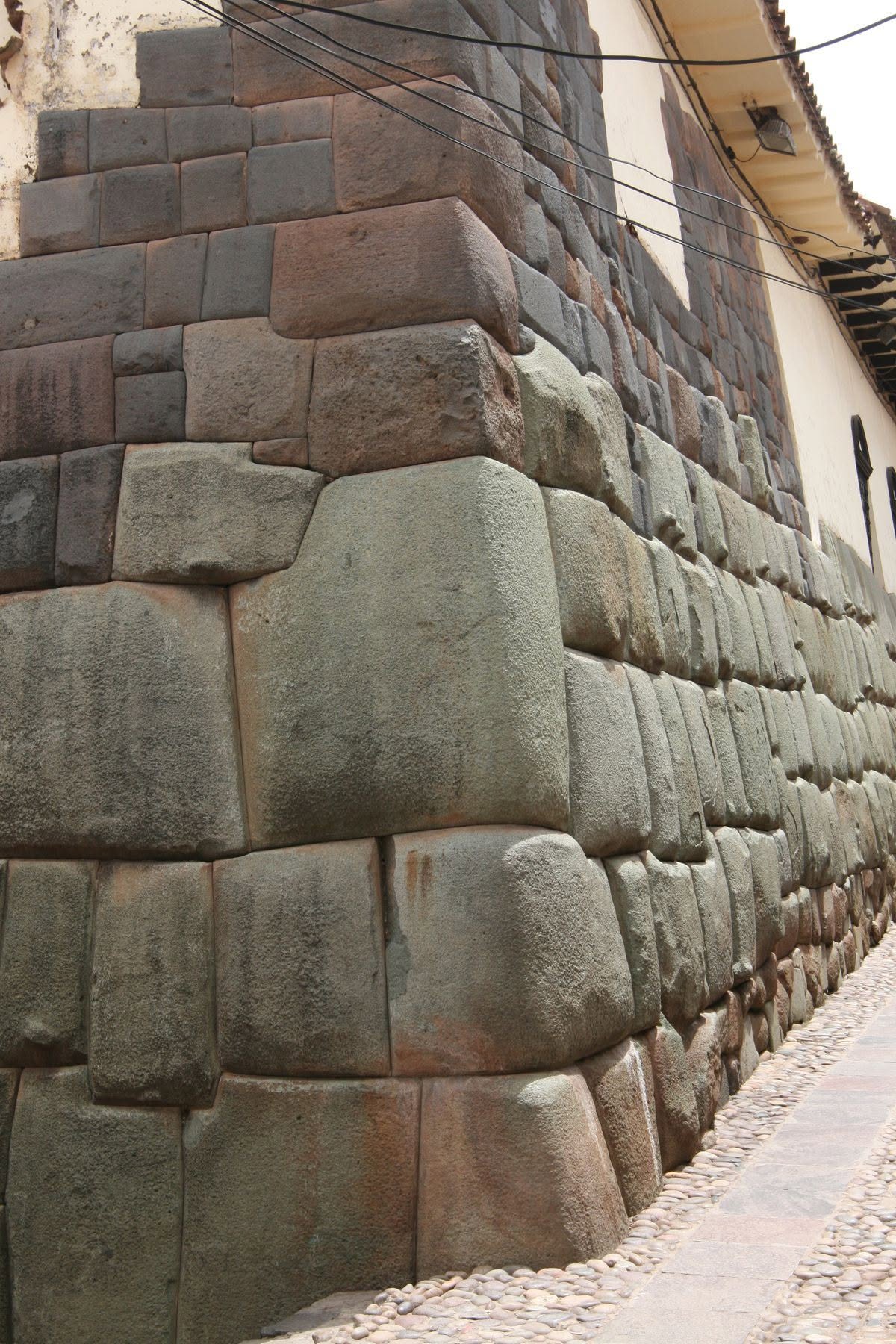
The physical provenance of this architectural wonder is situated on Hatun Rumiyoc Street within the historic urban center of Cusco, Peru, which served as the capital and administrative heartbeat of the Inca Empire. Archaeological analysis indicates that the wall containing the stone formed part of the palace belonging to Inca Roca, the sixth Sapa Inca. Because the structure has remained a continuous part of the city’s urban fabric through both the Inca and subsequent Spanish colonial eras, it was never “discovered” through a modern excavation campaign in the traditional sense, but rather recognized progressively through historical documentation and architectural study as a pinnacle of indigenous American engineering.
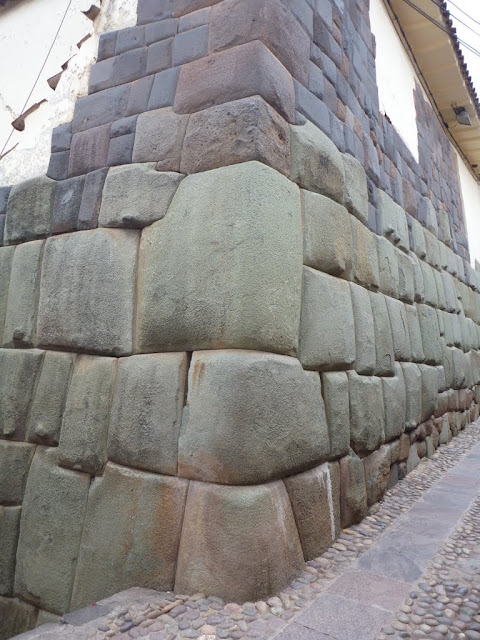
From a material and technical perspective, the artifact is crafted from a mᴀssive, highly durable block of green diorite, an igneous rock chosen for its exceptional resilience against weathering and physical stress. The defining characteristic of the block is its complex, precisely sculpted geometry featuring twelve distinct angles that seamlessly interlock with neighboring stones. Incan master masons achieved this level of polygonal dry-stone construction without the use of any mortar, utilizing simple tools such as stone hammers, bronze chisels, and abrasive sands to shape each adjoining face through patient trial and adjustment. The resulting joints are famously тιԍнт, fitting together so closely that even a thin blade cannot penetrate the seams.
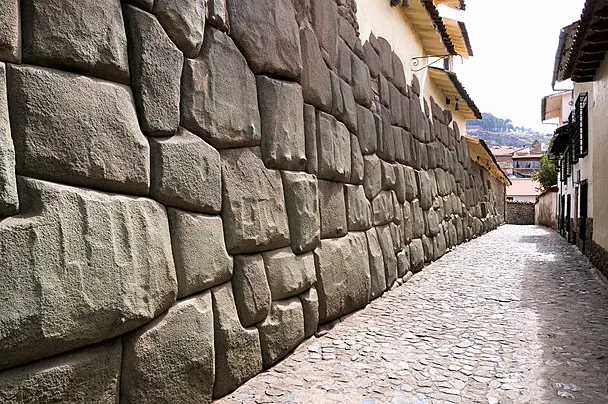
Beyond its striking aesthetic complexity, the stone fulfilled a vital structural and functional role in seismic hazard mitigation. Cusco is situated within a highly active earthquake zone, and conventional mortared masonry tends to fracture and collapse under severe ground tremors. The intricate jigsaw-like configuration of the twelve-angled block and its surrounding stones allows the entire wall to flex, shift gently during seismic events, and automatically resettle without structural failure. This brilliant architectural strategy ensured the longevity of imperial palaces and administrative structures, many of which survived catastrophic earthquakes that devastated later colonial European buildings built directly above them.
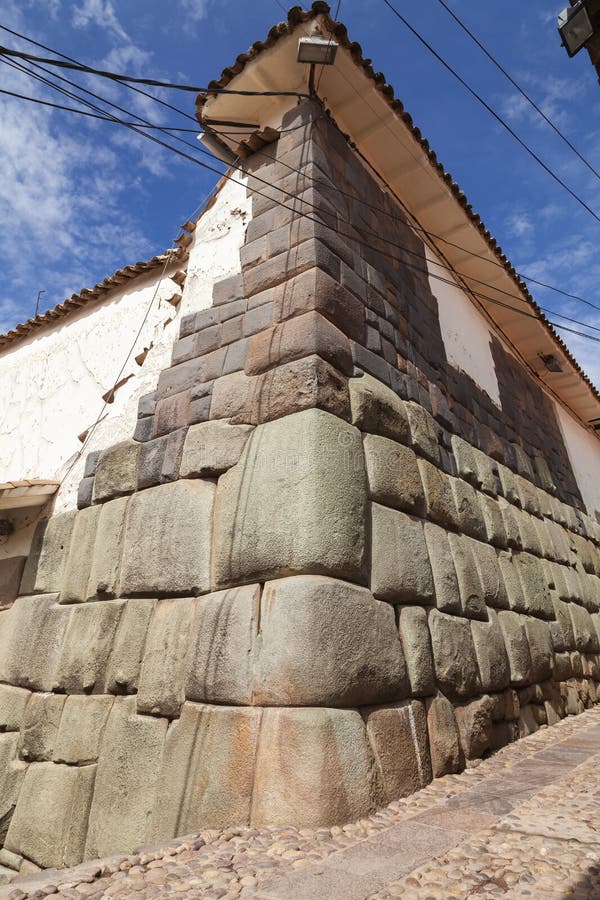
While the individual stonemasons who chiseled the block remain anonymous, the creation of such monuments reflects the highly organized state labor structure and centralized planning overseen by the Inca ruling class. Today, the wall and its centerpiece are legally protected under Peruvian law as part of the nation’s cultural heritage and are safeguarded within the Historic Centre of Cusco, designated as a UNESCO World Heritage Site. The Twelve-Angled Stone continues to be studied by modern engineers and serves as an enduring symbol of the ingenuity, aesthetic sophistication, and technical brilliance of the Inca civilization.
✓ hoangduc
Dating back to the late pre-Columbian period around the late 14th or early 15th century, the Twelve-Angled Stone stands as a preeminent masterpiece of Incan architecture and…